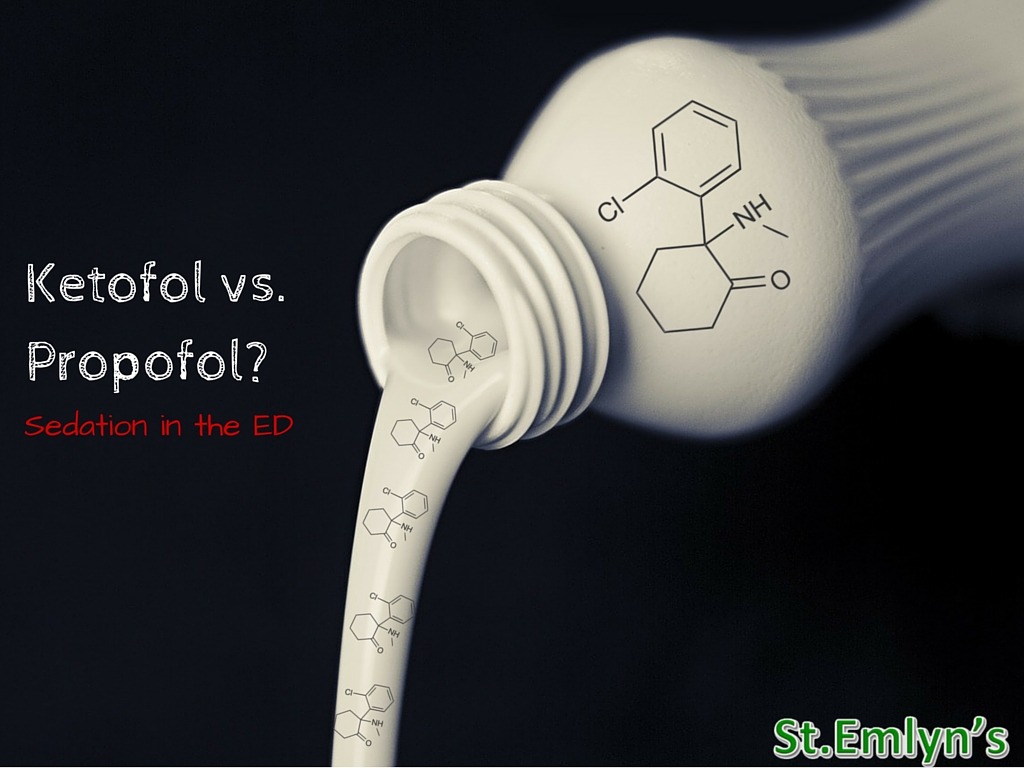
Does combining ketamine and propofol improve procedural sedation compared with propofol alone? This 2016 appraisal examines a systematic review’s complication findings, questioning how differences in patients, procedures and drug regimens—and limited information on sedation success—affect its relevance to emergency departments.
Should clinicians unlock an unconscious patient’s phone to help identify them? This 2016 ethical and legal discussion explores the tension between useful clinical information, privacy and consent, using a hypothetical emergency department case to ask whether access is necessary and what remains uncertain.
What happens when the patient is someone you know? Iain Beardsell and Liz Crowe discuss caring for community members, friends and colleagues, exploring confidentiality, declaring personal connections, professional boundaries and supporting a team when personal and clinical responsibilities collide.
What changed when Sepsis-3 was introduced in 2016? This overview explains the shift towards organ dysfunction, the roles proposed for SOFA and qSOFA, and revised septic-shock definitions, while noting early concerns about applicability and performance across different clinical settings.
A fictional Robocop trauma case provides the framework for this tour of NICE’s 2016 major-trauma guidance. The post follows care from scene to hospital, discusses areas of controversy and highlights unanswered research questions, with links to the full guidance and an accompanying infographic.
Can medical-grade skin adhesive reduce peripheral cannula failure? This 2016 appraisal examines a randomised trial of cyanoacrylate alongside standard dressings, considering the reported benefit, lack of blinding, follow-up methods, costs and the patient experience of removing the cannula.