Who should pay for access to medical research? Mike Charlesworth and Lee Feddy weigh subscription fees, open-access publication charges and barriers for unfunded researchers, then ask what medical journals could learn from the business models of digital entertainment services.
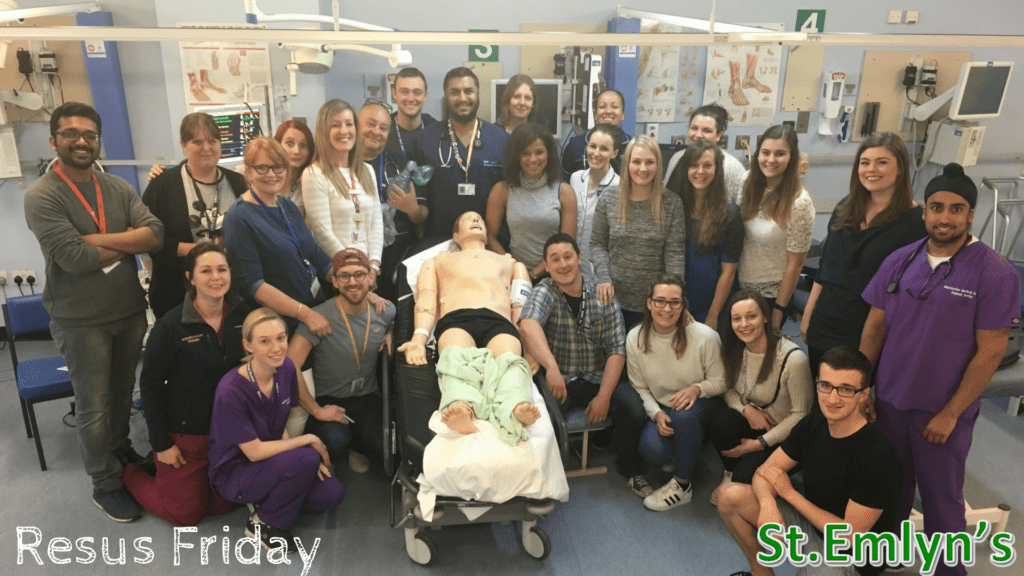
A 2017 ResusFriday session uses simulation and shared learning to examine cardiac arrest care, including team roles, reversible causes and dual-axis defibrillation. The post explains why enthusiasm for the latter needed to be tempered by the limited evidence available then.
A 2017 visit to Mitchells Plain and neighbouring emergency centres prompts reflections on trauma, mental health care, teaching and resource constraints. Simon Carley describes the work of South African colleagues and the #badEM team, while questioning the limits of an outsider’s perspective.
How can emergency care reflect what matters to a patient before a crisis occurs? This 2017 introduction to ReSPECT explores personalised treatment planning, early conversations with patients and families, and why the discussion matters more than the form alone.
What happens beyond initial survival after cardiac arrest? This 2017 review of Danish registry data explores associations between bystander CPR or defibrillation and longer-term outcomes, emphasising that the analysis concerns 30-day survivors and cannot establish causation on its own.
An archived invitation to help shape the critical care education panel at dasSMACC in Berlin in June 2017. Simon Carley outlines the session’s purpose and asks what opportunities, challenges and questions mattered to the clinicians and educators attending.