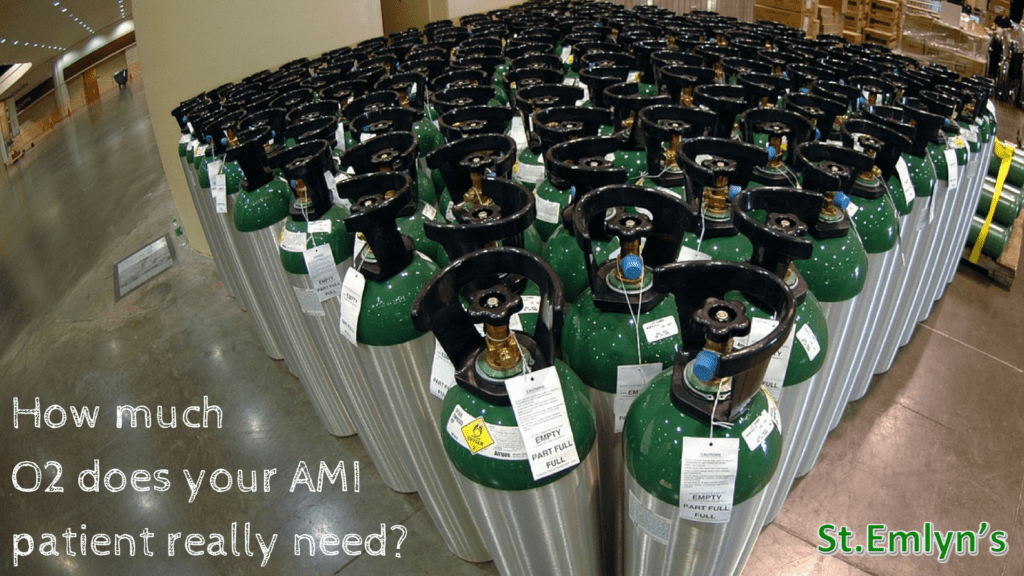
Does routine oxygen improve outcomes in suspected acute coronary syndromes? This 2017 appraisal of DETO2X-SWEDEHEART examines its patient selection, unexpectedly low event rate and mortality findings, explaining why a non-significant result does not establish that two treatments are equivalent.
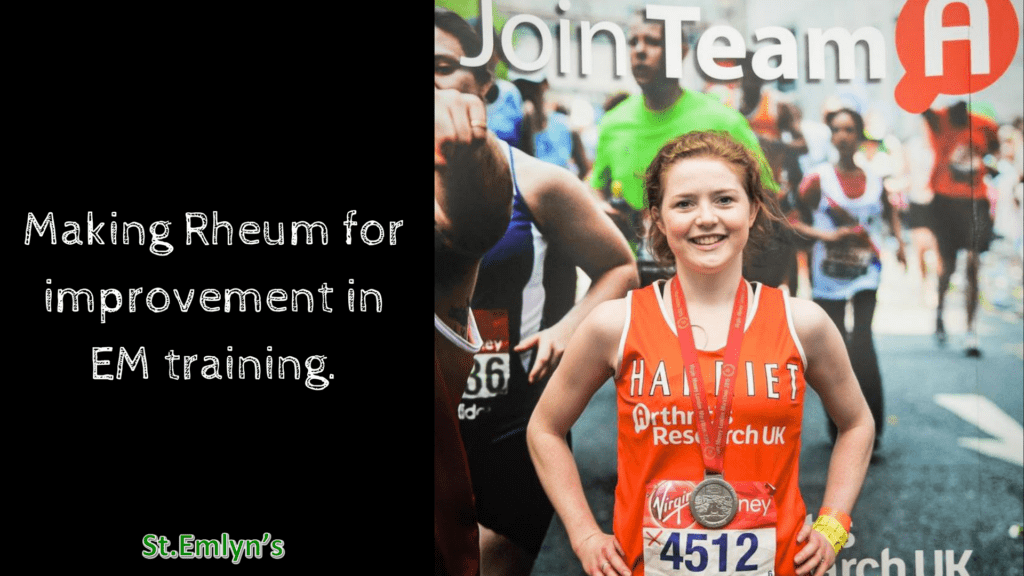
What happens when a passion for emergency medicine meets the physical limits of chronic illness? Harriet shares her experience of training with rheumatoid arthritis, exploring workplace barriers, difficult career choices and what meaningful support for colleagues might require.
A useful travel history goes beyond asking where someone has been. This guide explores itinerary, symptom timing, immunisations, prophylaxis and possible exposures, showing how the details can inform assessment of imported infection and conversations with infectious disease colleagues.
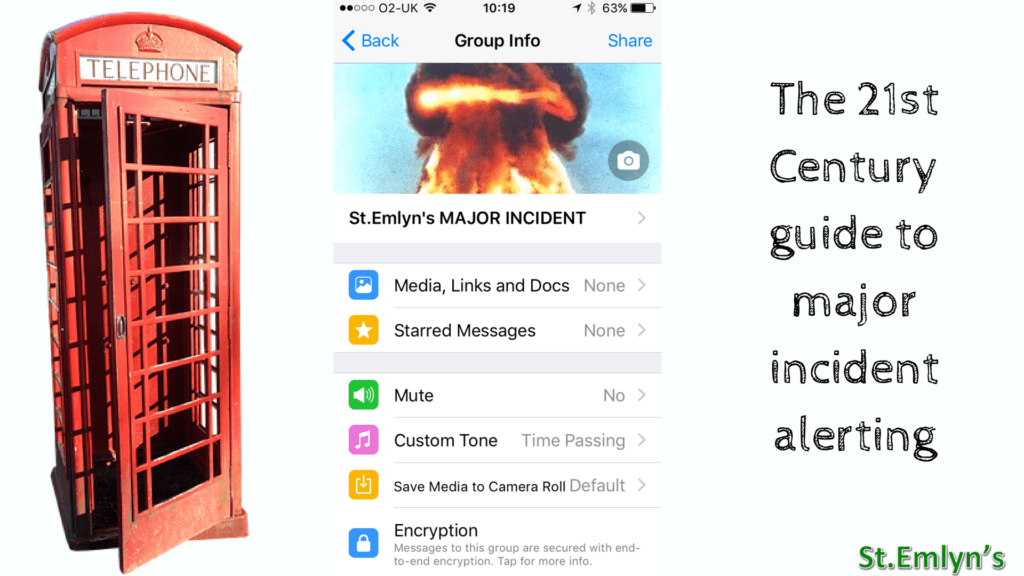
Drawing on the 2017 Manchester and London attacks, this post examines how hospitals alert and mobilise staff during a major incident. It discusses structured METHANE messages, coordinating responses and planning cover beyond the first wave, alongside the limitations of messaging groups.
Katherine Gridley reports from the inaugural Don’t Forget the Bubbles conference in Brisbane in 2017. Her review brings together paediatric evidence, simulation and difficult conversations, with reflections on compassion, clinician wellbeing and the perspectives of children and families.
Could troponin tell us more than whether a patient has had an infarction? This 2017 reflection explores increasingly sensitive assays, cardiovascular risk and personalised baseline measurements, while distinguishing exciting possibilities from clinical benefits that still needed to be demonstrated.