This 2018 overview explores HIV in emergency medicine, from assessing exposure and recognising infection to caring for people receiving antiretroviral therapy. It also introduces post-exposure and pre-exposure prophylaxis. The discussion reflects the guidance available at publication and should be read in that historical context.
The final day of the Intensive Care Society’s 2018 meeting brought together research updates and questions about the outcomes patients value. This report covers frailty, predictive technology, delirium and organ donation, alongside reflections on careful clinical care and the limits of simple solutions.
Day two of the Intensive Care Society’s 2018 meeting ranged from research and radiology to debates about liver failure and airway management. The report also explores nutrition, the timing of renal replacement therapy and how simulation and new technology might support learning.
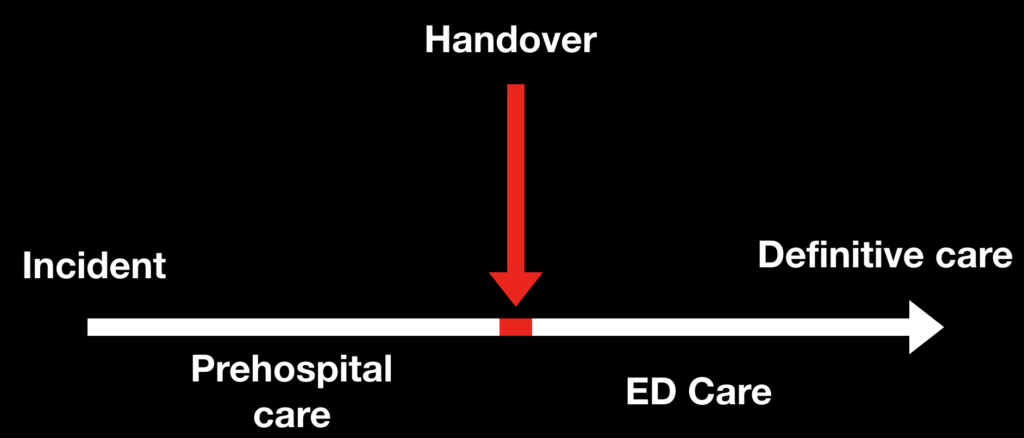
What makes a clinical handover work when a critically ill patient arrives? Drawing on a 2018 Intensive Care Society presentation, this post explores preparation, team attention, structured communication and follow-up. It offers adaptable principles for sharing essential information while recognising that urgent treatment sometimes takes priority.
The opening day of the Intensive Care Society’s 2018 meeting covered sepsis, moral injury and the response to the Salisbury Novichok incident. This report also follows discussions of delirium, extubation and frailty, including how patients’ goals can shape decisions about critical care.
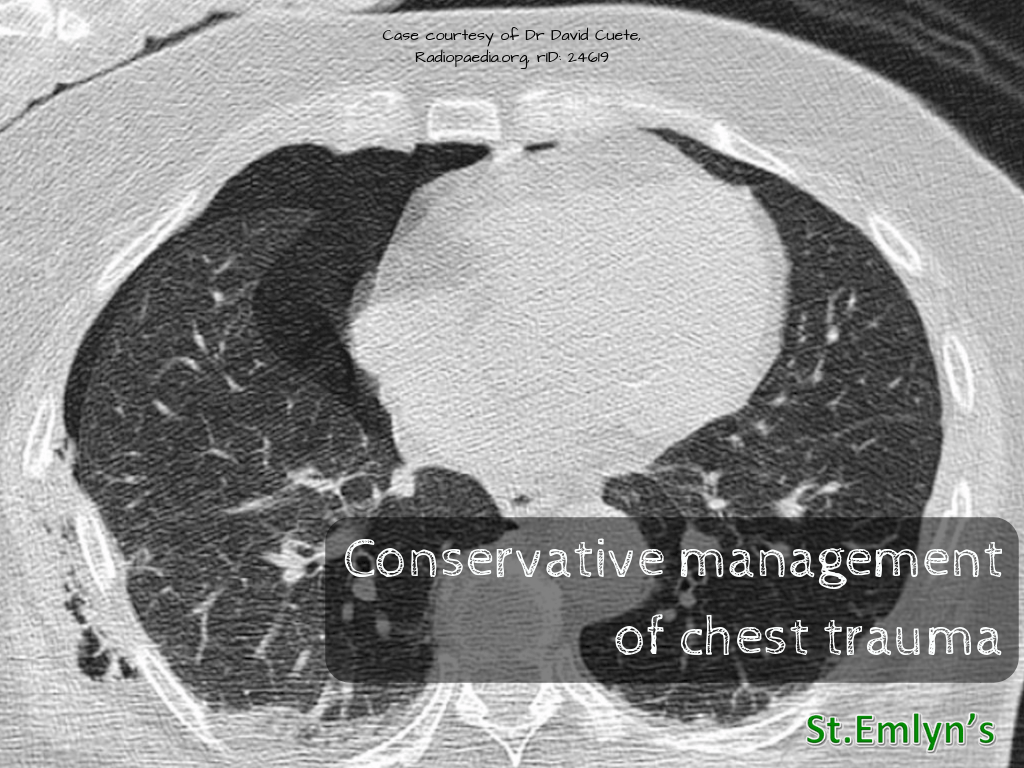
Can some traumatic pneumothoraces and haemothoraces be managed without a chest drain? This 2018 appraisal examines a UK observational study, including patients receiving positive-pressure ventilation. It considers selection bias, the limits of a single-centre dataset and the importance of monitoring when conservative management is chosen.