Do changes in vital signs predict trauma outcomes better than a single set of observations? This 2013 journal club examines retrospective TARN data, considering shock index and changes in blood pressure, respiratory rate and heart rate, alongside study exclusions and the small number of deaths.
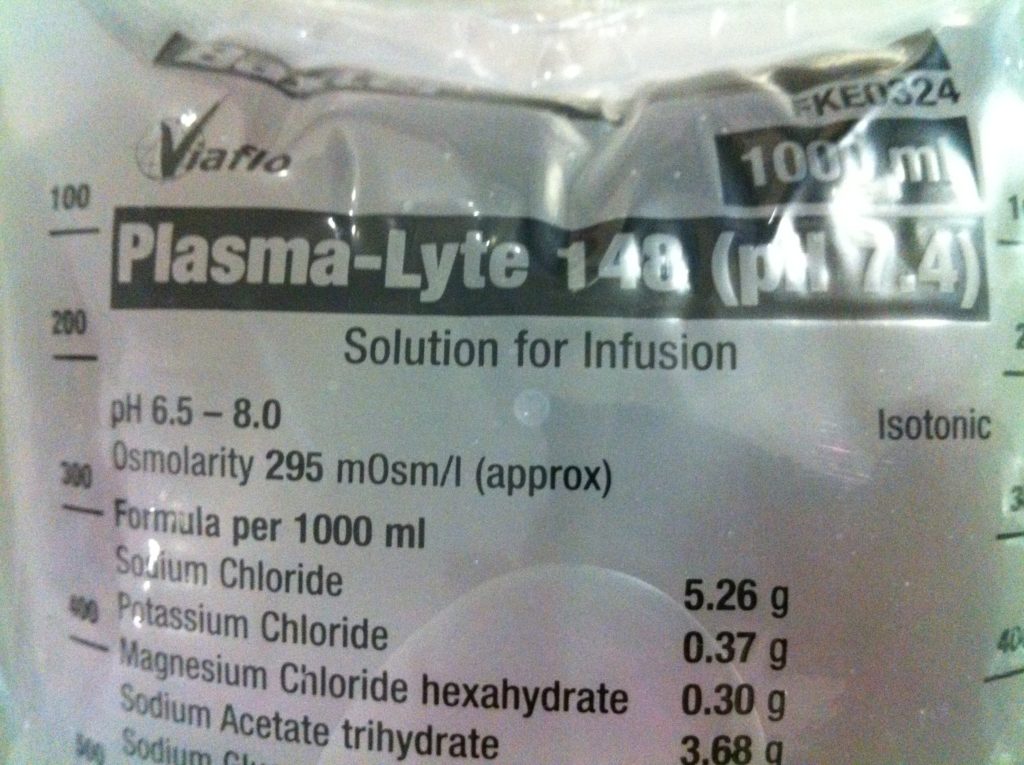
This 2013 journal club examines the Cochrane review of colloids versus crystalloids, with a particular interest in sepsis. Simon Carley explores mortality findings, numbers needed to harm and why differences between trial populations matter when interpreting a meta-analysis.
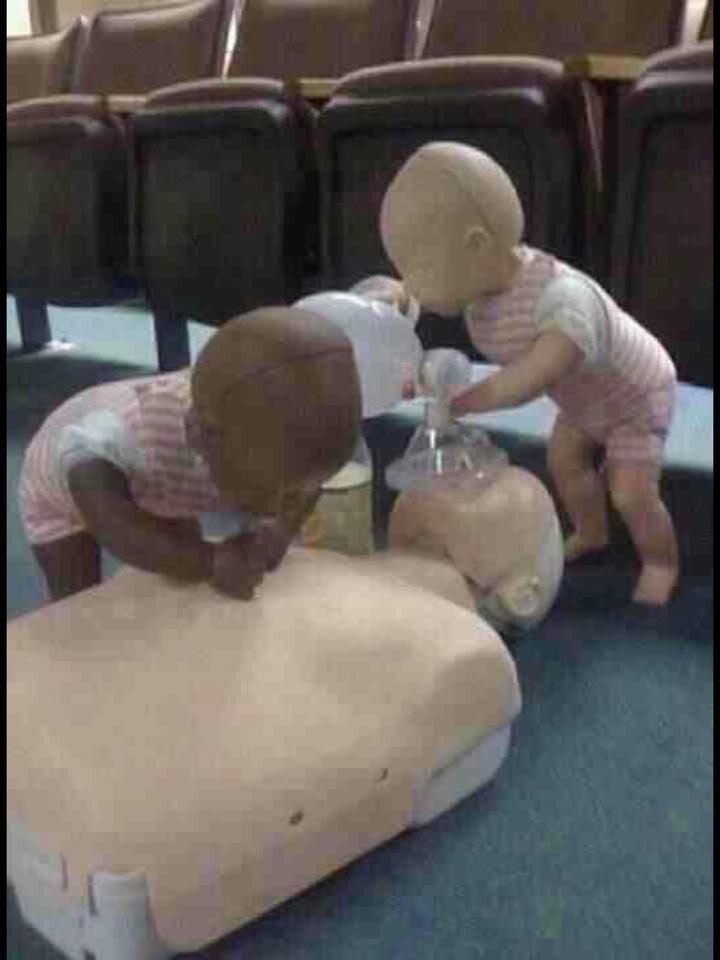
What does it mean for parents to be present during their child's resuscitation? Natalie May explores parental and staff perspectives, communication during cardiac arrest and the importance of supporting both families and the clinical team after a difficult case.
How do you prepare for an emergency procedure you hope never to perform? In this 2013 reflection on perimortem caesarean delivery, Simon Carley explores advance planning, team roles, equipment and rehearsal for cardiac arrest in pregnancy.
What can Sunday league football teach us about leading a resuscitation team? Rick Body draws parallels between changing team line-ups, assigning roles, encouraging communication and adapting under pressure, with reflection and debriefing helping the team prepare for next time.
Simon Carley offers an early emergency department response to the Surviving Sepsis guidance discussed in 2013. He highlights its resuscitation targets, antibiotic priorities and three- and six-hour bundles, while questioning how closely the recommendations reflected evolving practice at the time.