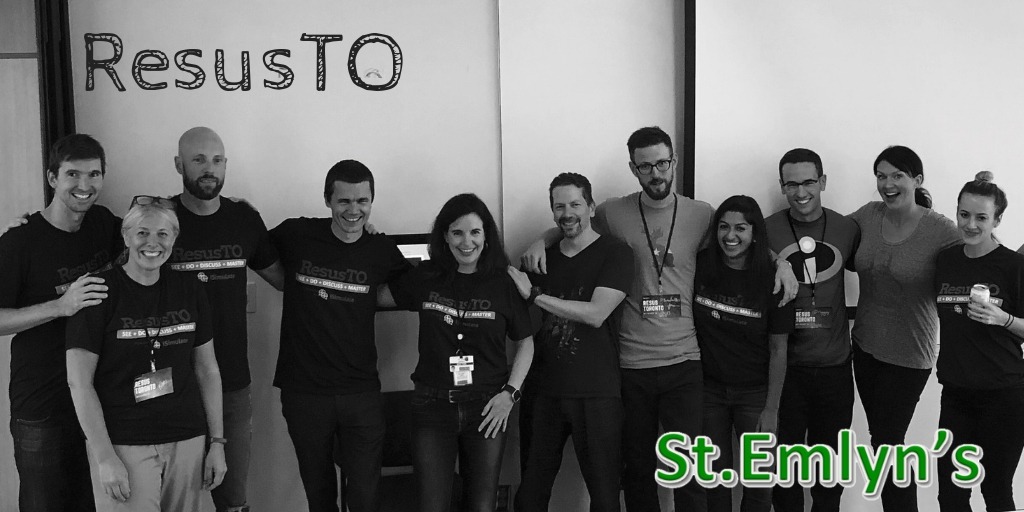
What happens when a resuscitation conference puts multidisciplinary learning and simulation at its centre? This report from the inaugural ResusTO in 2018 explores team behaviours, systems design, deliberate practice and hands-on workshops, with reflections on how small changes might strengthen resuscitation performance.
The final-day report from EuSEM 2018 in Glasgow focuses on neurological emergencies, including subarachnoid haemorrhage, vertigo, meningitis and cerebral venous thrombosis. It also shares advice from journal editors and reflections on leadership, with links to further reading from the conference sessions.
Day three of EuSEM 2018 brought discussions of troponin testing, venous thromboembolism, domestic abuse and global health. This conference report also follows trainee research, developments in emergency medicine education and the effects of incivility on teams, drawing together clinical and professional learning from Glasgow.
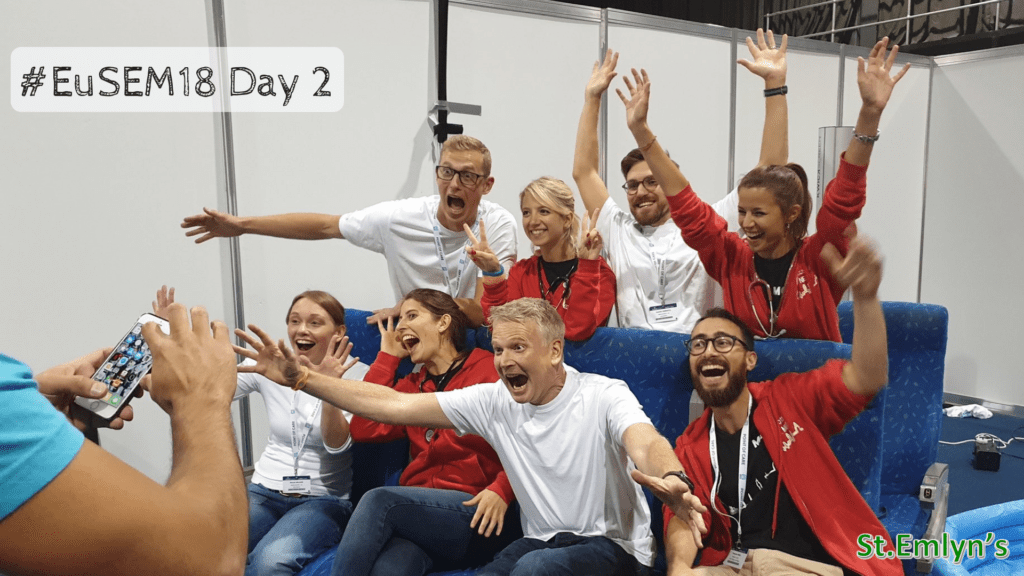
The second-day EuSEM 2018 report brings together pulmonary care, early EcLiPSE trial findings, care of older patients and interactive paediatric cases. It also reflects on performing under pressure and celebrates the RCEM team’s joint win in the Euro Sim Cup.
St Emlyn’s reports from the opening day of the joint EuSEM and RCEM conference in Glasgow in 2018. Highlights include toxicology, infectious diseases, analgesia and sedation, pulmonary embolism and human factors, with reflections on diagnostic reasoning and the challenges behind everyday emergency care.
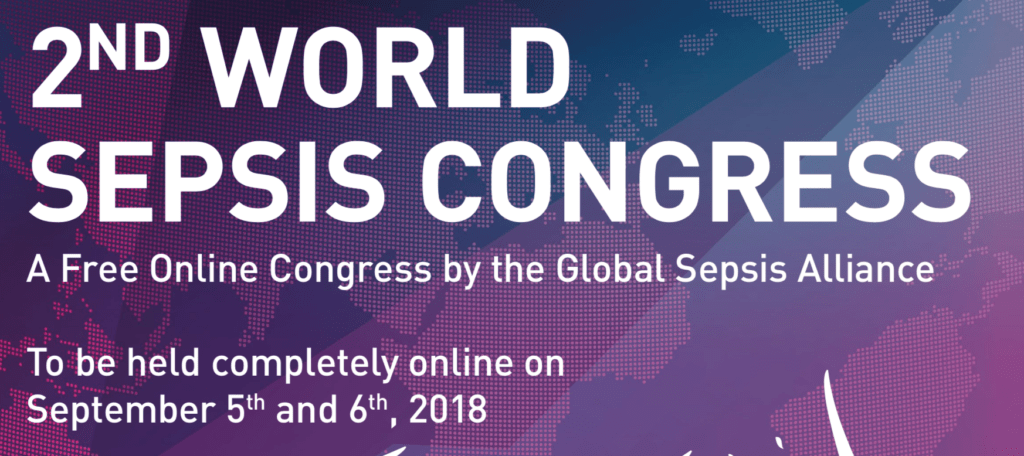
This preview of the September 2018 World Sepsis Conference considers what a free online meeting can offer. Simon Carley reflects on access, diversity, patient voices and the environmental costs of travel, asking how conferences might share learning more widely while retaining the value of meeting in person.