Day two of the Intensive Care Society’s 2018 meeting ranged from research and radiology to debates about liver failure and airway management. The report also explores nutrition, the timing of renal replacement therapy and how simulation and new technology might support learning.
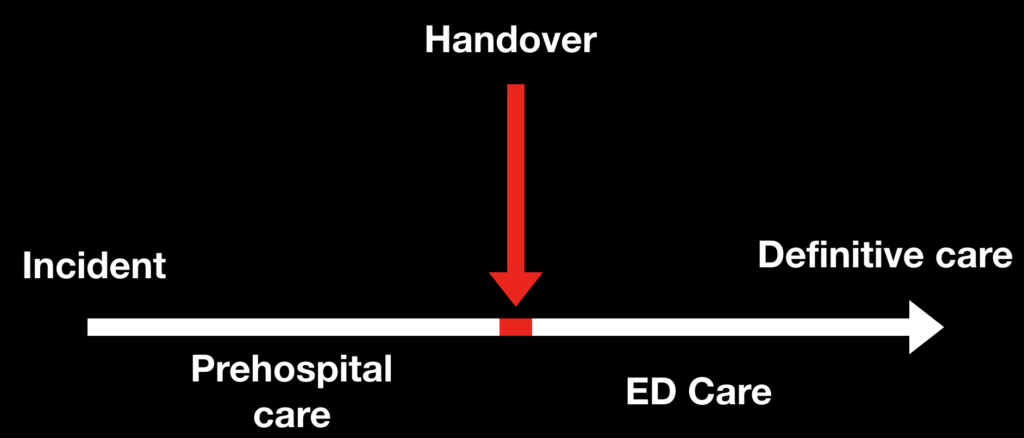
What makes a clinical handover work when a critically ill patient arrives? Drawing on a 2018 Intensive Care Society presentation, this post explores preparation, team attention, structured communication and follow-up. It offers adaptable principles for sharing essential information while recognising that urgent treatment sometimes takes priority.
Salim Rezaie’s St Emlyn’s Live 2018 presentation explores cognitive offloading during cardiac arrest care. The accompanying notes discuss CPR, vascular access, airway management, medication and PEA assessment, explicitly bringing together published evidence and ideas for consideration. This is a historical presentation rather than an updated resuscitation guideline.
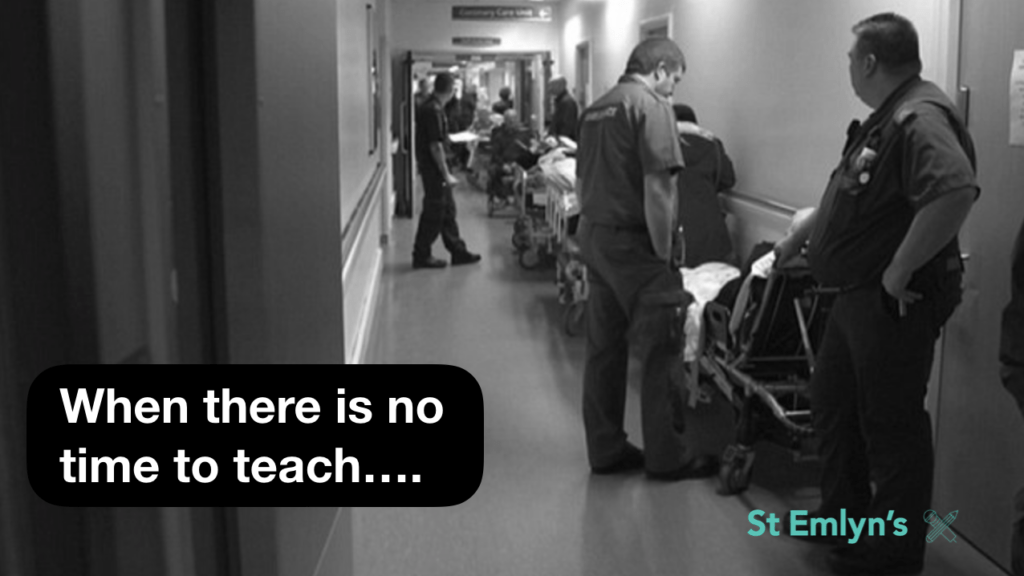
How can teaching fit into a busy emergency department? Simon Carley’s 2018 RSM presentation explores ways to make learning part of clinical work, including Post-it pearls, tailored FOAMed resources and structured hot debriefs. The emphasis is on preparation and practical approaches that need little time or money.
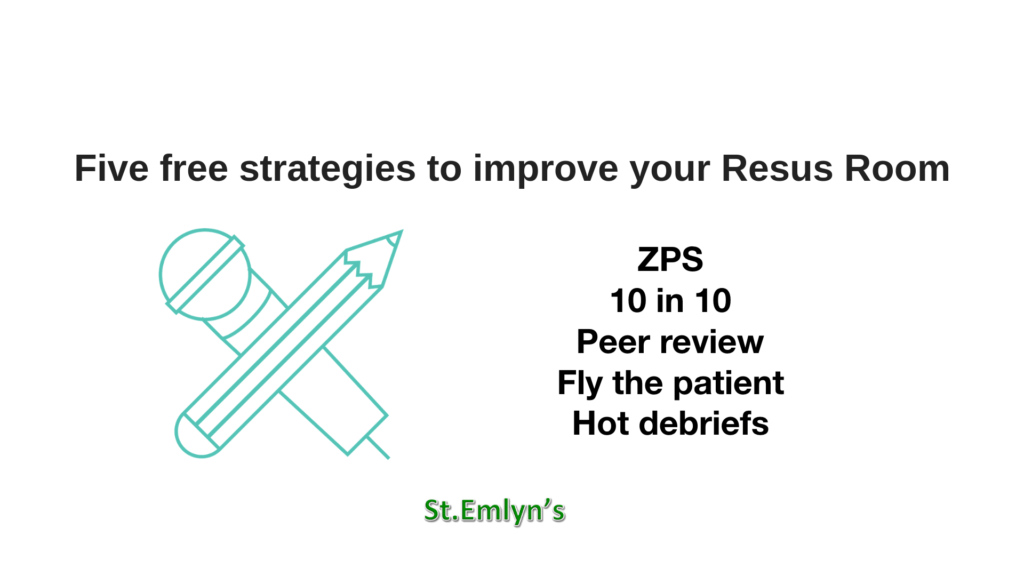
Simon Carley sets out five approaches to resuscitation practice that require no new equipment: preparation with the Zero Point Survey, regular team updates, separating immediate care from strategic thinking, peer observation and hot debriefs. This St Emlyn’s Live 2018 talk focuses on how teams work together.
This October 2018 announcement shares the programme for St Emlyn’s Live and the Teaching CoOp courses in Manchester. It also records the arrangements for streaming the conference through the St Emlyn’s YouTube channel.