Does using a bougie improve first-pass success during tracheal intubation? This appraisal examines a systematic review and meta-analysis, considering the quality and variety of the included studies and how equipment, technique and clinical setting affect the interpretation.
Does a low Glasgow Coma Scale score in acute poisoning always require intubation? This appraisal examines a randomised trial of a conservative airway strategy, focusing on patient selection, criteria for intervention and the importance of assessing the clinical trajectory.
How do you prepare a whole team for high-acuity, low-occurrence procedures? The third HALO article explores shared mental rehearsal, simulation, role clarity and debriefing, including how to support colleagues who encounter these procedures without prior preparation.
A critical appraisal of the DEVICE trial comparing video and direct laryngoscopy in critically ill adults. It examines the improvement in first-attempt intubation success, the absence of a clear difference in severe complications, and how operator experience and patient selection affect interpretation.
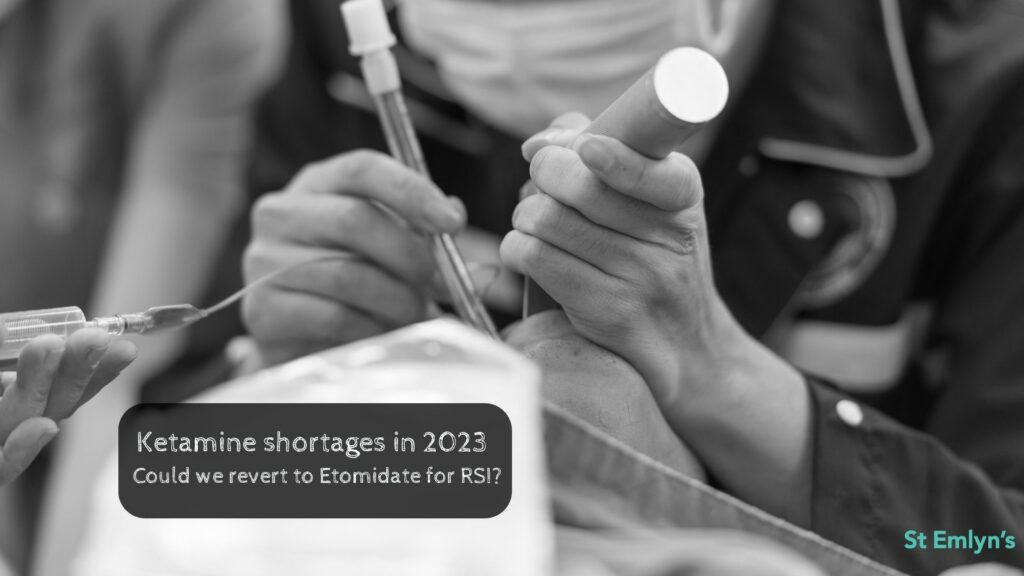
Written during the 2023 ketamine shortage, this appraisal revisits etomidate for induction in critically ill adults. It examines a meta-analysis of randomised trials, the reported mortality signal and limitations in applying pooled results to emergency and prehospital practice.
Personal preparation for high-acuity, low-occurrence procedures goes beyond learning the physical technique. Part two of the HALO series explores decision triggers, managing stress, self-talk, mental rehearsal and focus, with an emphasis on deliberate practice before a crisis.