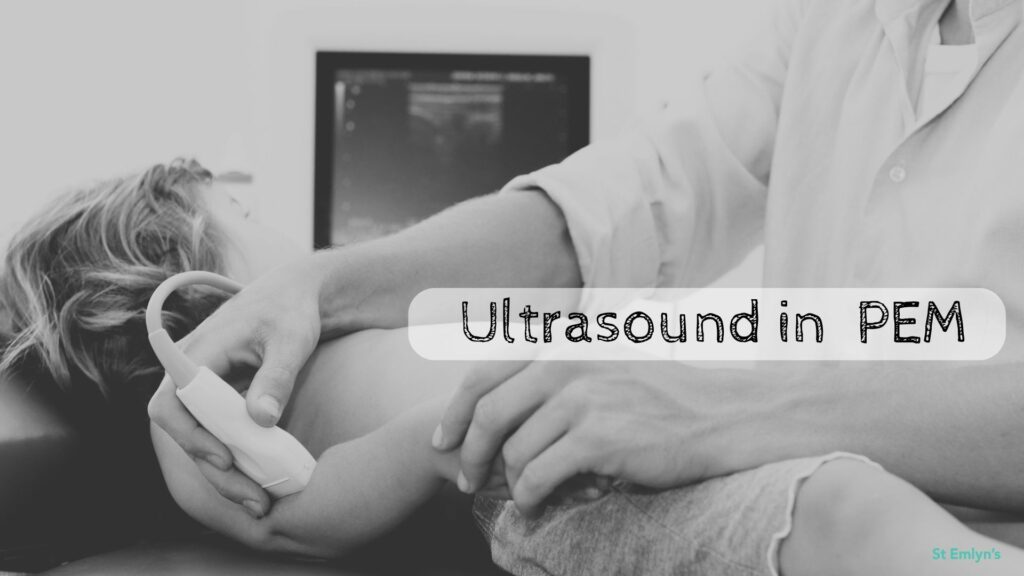
Part two of this introduction to paediatric point-of-care ultrasound examines trauma, shock, vascular access and cardiac assessment. It also considers nerve blocks and foreign bodies, while highlighting the limited evidence for some uses and the limitations of FAST as a rule-out test.
An introduction to point-of-care ultrasound in the paediatric emergency department, covering lung, musculoskeletal and abdominal presentations. The article weighs potential benefits against the evidence, with particular attention to operator training and whether results from experienced enthusiasts apply to novice scanners.
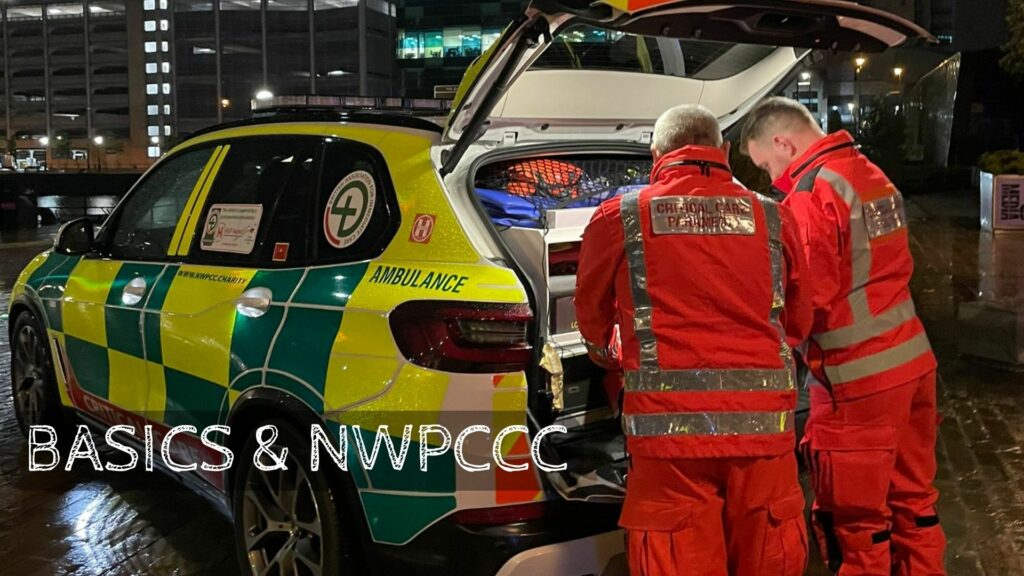
Simon Carley describes volunteering with BASICS and the North West Prehospital Critical Care Charity. This introduction explains how volunteer responders support the ambulance service, how they are activated and governed, and how the charity funds its work.
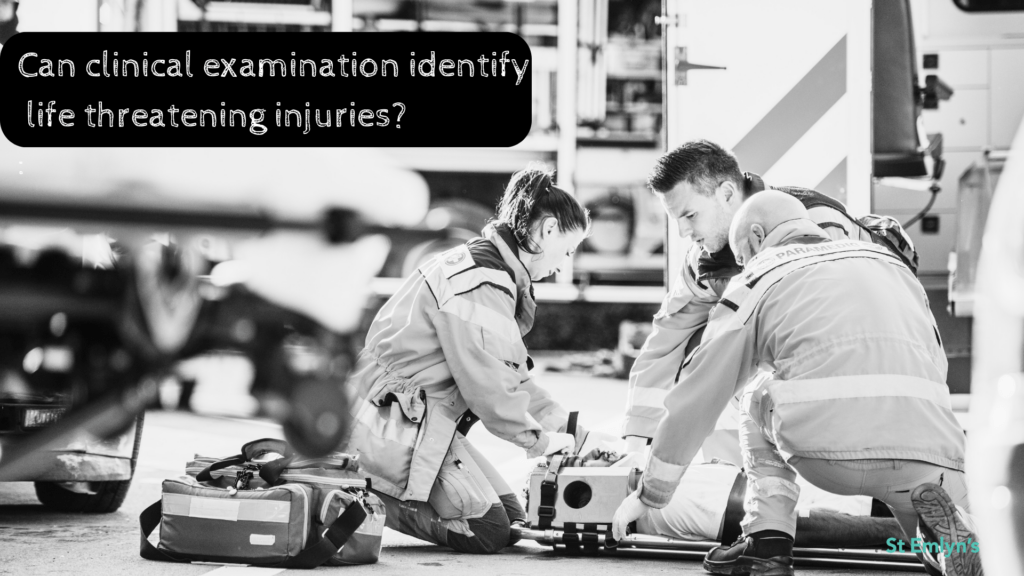
How accurately can prehospital clinicians recognise life-threatening injuries from clinical examination? This appraisal examines a retrospective trauma study, the limits of its diagnostic accuracy findings and why uncertainty should inform decisions without abandoning examination altogether.
How do you prepare a whole team for high-acuity, low-occurrence procedures? The third HALO article explores shared mental rehearsal, simulation, role clarity and debriefing, including how to support colleagues who encounter these procedures without prior preparation.
The TOP-ART trial of Artesunate in the treatment of bleeding trauma patients. This RCT shows no benefit and potential harm, but it may be more complex than that. Further work may be needed on immunomodulation in bleeding trauma patients.