Who with chest pain needs investigation for acute coronary syndrome? Rick Body's 2012 discussion examines what symptoms and signs can—and cannot—tell us, challenges reliance on labels such as 'atypical', and explores the tension between avoiding missed diagnoses and reducing unnecessary admissions.
How did NICE's 2012 DVT guidance balance diagnostic certainty with the services available? Simon Carley discusses Wells scoring, D-dimer testing and ultrasound, focusing on the distinction between proximal and calf thrombosis and the uncertainty surrounding repeat scanning and anticoagulation.
Why do trainees enjoy emergency medicine placements yet hesitate to choose the specialty? In this 2012 reflection, Simon Carley explores working conditions, disruptive rotas, career prospects and recognition of extra effort, asking what might persuade enthusiastic junior doctors to stay.
Why can a cheap, straightforward treatment struggle for attention alongside more dramatic interventions? Reflecting on tranexamic acid after CRASH-2 in 2012, Simon Carley questions the appeal of expensive or technically demanding therapies and asks how clinicians can close the gap between evidence and routine practice.
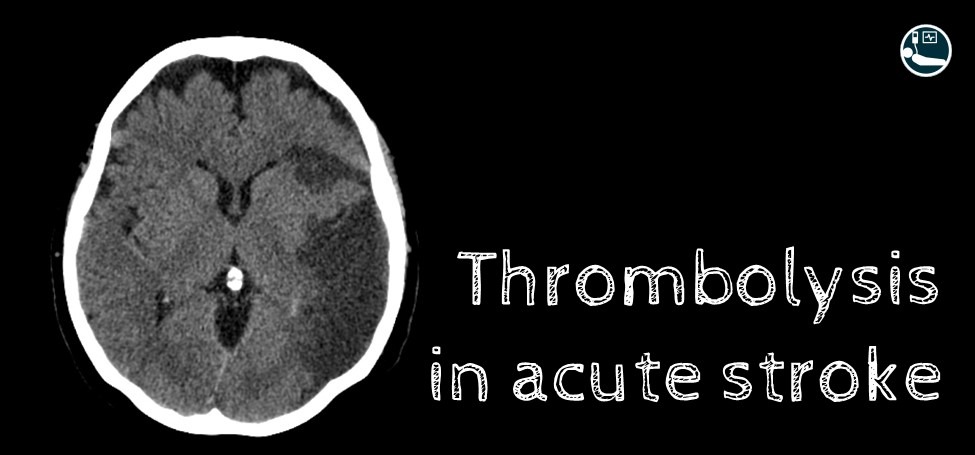
How should the early risks of stroke thrombolysis be weighed against later functional outcomes? This 2012 journal club debates IST-3, contrasting early mortality and bleeding with six-month survival and independence, and examining how the trial's results are presented and interpreted.
Why can a correct answer still lose marks in a critical-appraisal exam? In this 2012 guide to the former FCEM format, Simon Carley discusses reading the question, practising with papers, explaining statistics clearly and constructing an abstract whose objectives, results and conclusions fit together.