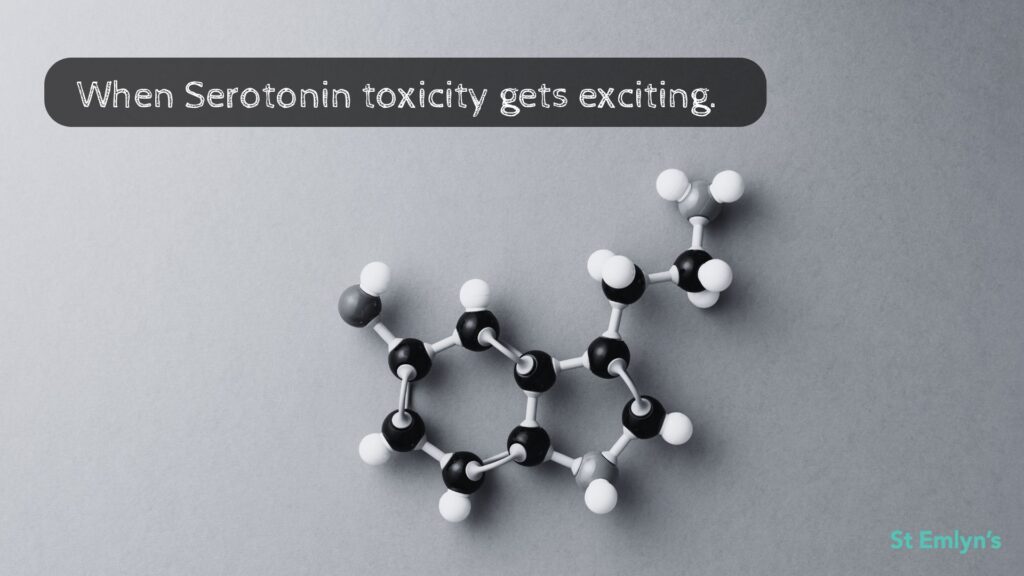
Gregory Yates responds to an EMCRIT discussion of serotonin syndrome and related hyperthermic drug reactions. He examines why both drug histories and neurological signs can be difficult to interpret, and why diagnostic uncertainty matters when these syndromes overlap.
A collection of trauma and resuscitation papers discussed at ICEM 2025 in Montreal, with summaries and critical appraisal. Topics include transfusion, oxygen strategies, paediatric cervical spine assessment, regional analgesia and emergency airway management.
A retrospective study describes emergency thoracotomy for penetrating trauma in two Cape Town district hospitals. We examine the reported outcomes, the constraints of these settings and why patient selection, timing and incomplete records matter when interpreting the results.
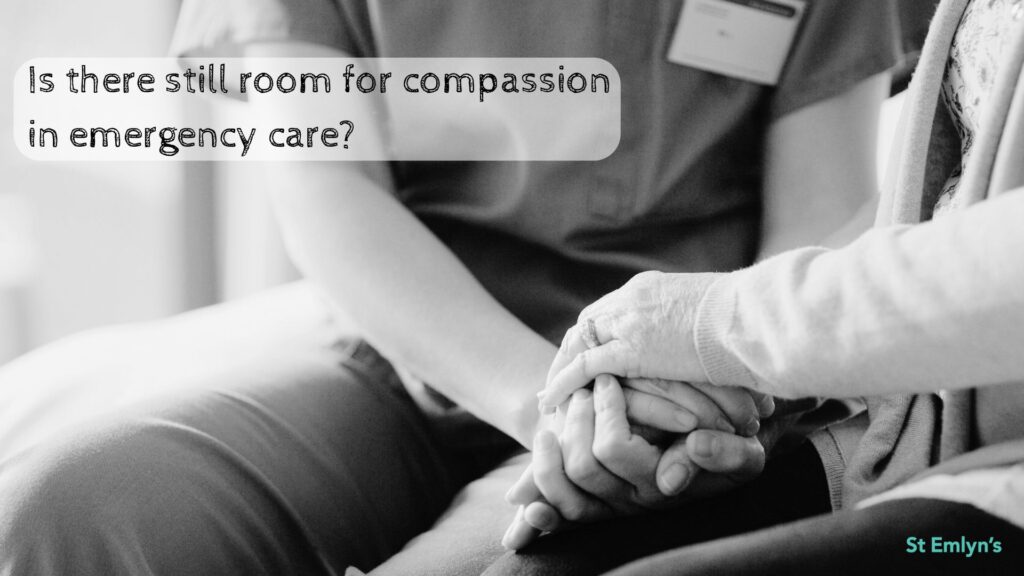
Emergency care is more pressured than ever—but is compassion being lost in the chaos? This post explores the reality of compassion fatigue, the systemic and cultural barriers to empathy, and practical, evidence-based strategies to reconnect with patients in meaningful ways.
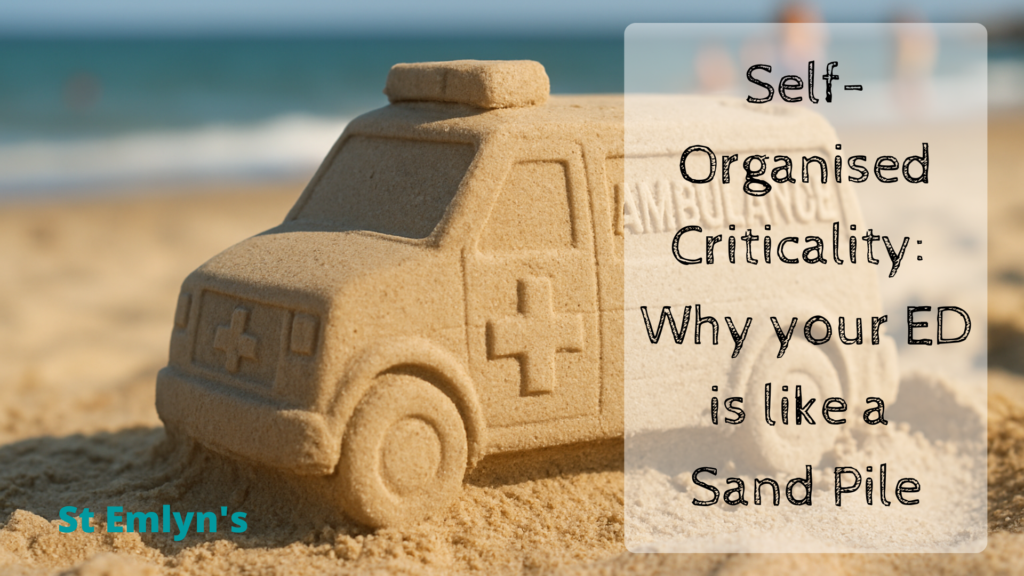
Emergency departments (EDs) often seem to shift from calm to crisis in an instant. Why? This article explores ED crowding through the lens of complexity science and self-organised criticality, explaining how minor changes—like a few extra patients—can trigger disproportionate chaos.
Can a trauma triage score work without monitoring equipment? We review the derivation and validation of sBATT using UK registry data, including how its observable signs predict early mortality and what remains uncertain about use by lay responders or in other settings.