Day two of EMSSA 2017 moves from resuscitation and paediatric trauma to emergency care in low-resource settings. This collaborative report brings together sessions on knowledge translation, snakebite and malaria, alongside discussions of bullying, staff safety and the ethics of volunteering.
The first day of EMSSA 2017 explores prehospital and emergency care in South Africa. This co-created report covers the future of EMS, violence against crews, analgesia and critical-care transfers, alongside reflections on compassion, resilience and sustaining a career.
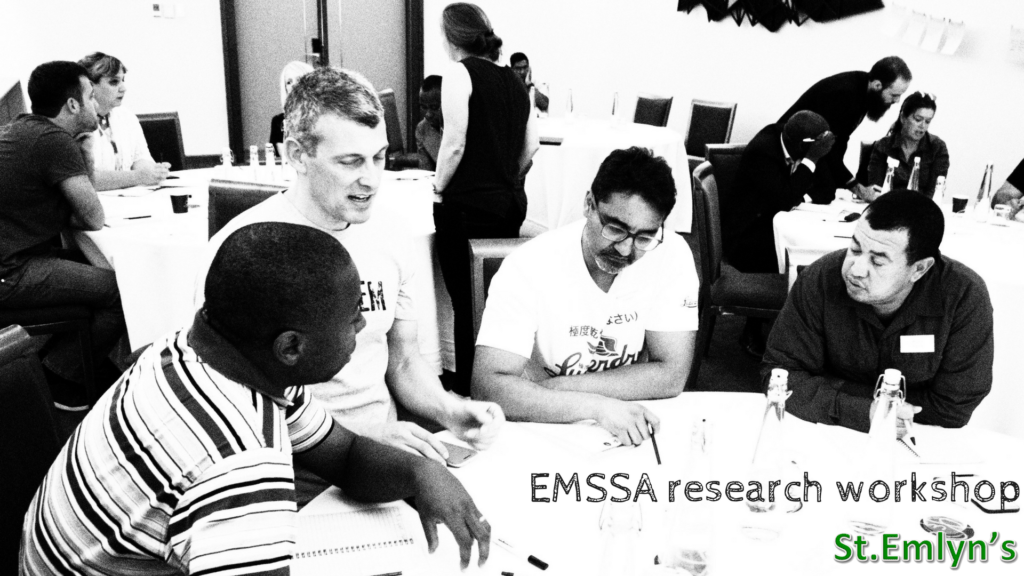
Getting started in emergency medicine research can feel daunting. Notes from the EMSSA 2017 workshop explore choosing a worthwhile question, finding a supervisor, building collaborations and securing funding, before considering how to approach publication.
This 2017 introduction explains tetanus, immunisation history and the assessment of wounds in the emergency department. It also discusses recognising clinical tetanus, but explicitly flags that UK management guidance has changed and directs readers to a later update.
Could cardiac myosin binding protein C offer an alternative to troponin? This 2017 review examines promising diagnostic findings from APACE, while explaining why external validation, a practical assay and evidence of added clinical value were still needed.
What can civilian and military teams learn from each other about mass casualty incidents? Reflections from AAST 2017 examine preparation, unexpected casualty arrivals, staff safety and the psychological toll, asking why familiar lessons still fail to reach practice.