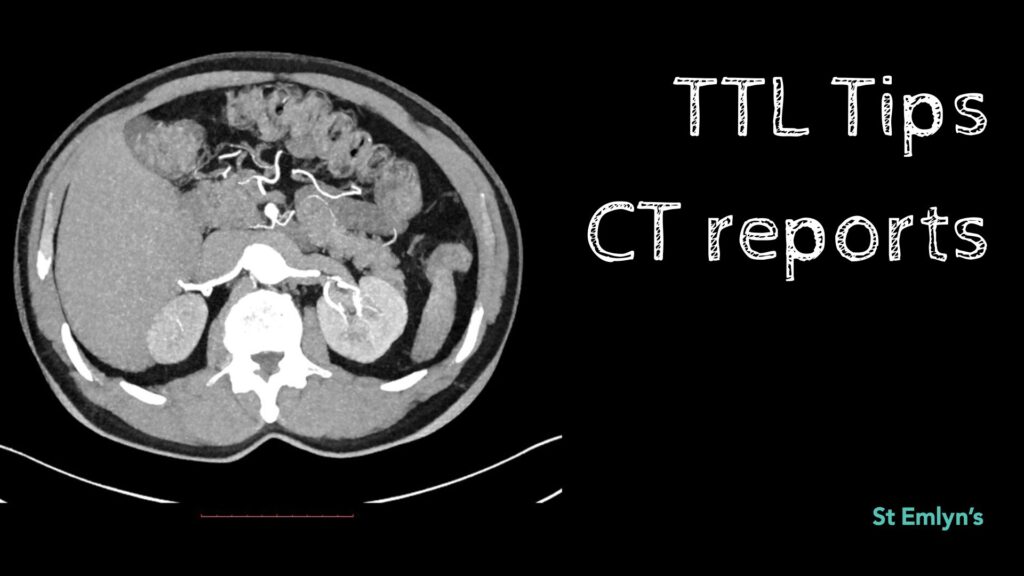
A rapid trauma CT report and a definitive report serve different purposes. This TTL tip explores how to work with radiology colleagues, check for report updates and communicate additional findings as the patient’s care progresses.
How can trauma teams make a non-urgent handover work well? These practical tips cover preparing the room, giving the prehospital team everyone’s attention and recording key information, while recognising when immediate threats require a different approach.
TTL tip 4 is about getting your CODE RED instructions right, by developing the right mindset about what you want to achieve and why.
This case-based TTL tip examines calcium depletion during major trauma resuscitation and blood transfusion. It covers recognising the problem, repeating blood gas checks and considering calcium replacement as resuscitation continues.
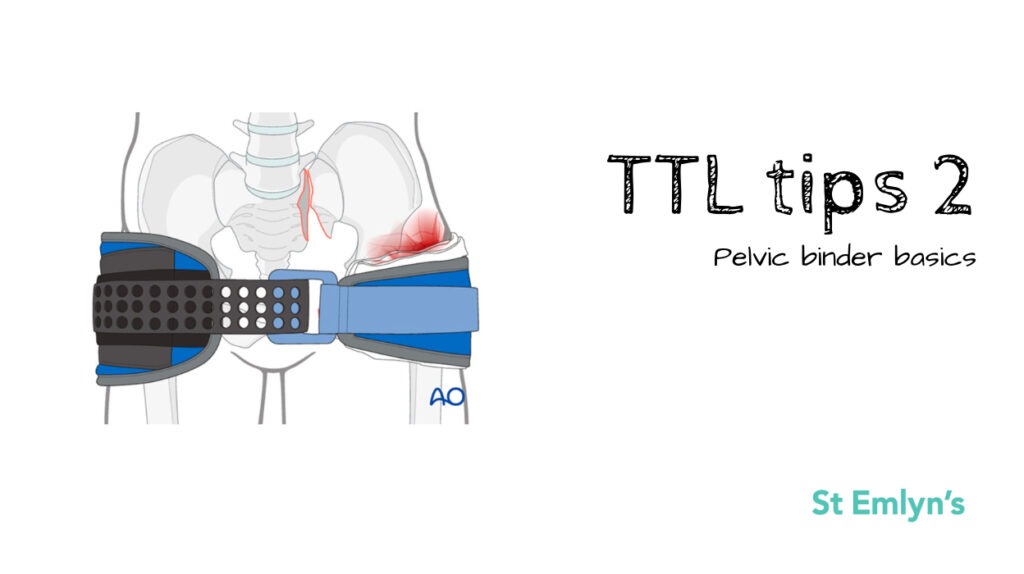
A case-based guide to getting the most from pelvic binders in trauma care. This TTL tip covers preparing equipment, checking placement and tension, and reassessing the pelvis when the binder is removed.
Visible wounds can distract from injuries hidden elsewhere. This TTL tip uses a penetrating trauma case to explore commonly missed areas, examination during the primary survey and reassessment even when the patient has already been checked before hospital arrival.