PECARN, CHALICE or CATCH: how should we compare decision rules for children with head injuries? This 2014 journal club examines a prospective comparison, weighing sensitivity against specificity and exploring how sample size, confidence intervals and the handling of observation affect the apparent winner.
Do clinicians and parents mean the same thing by ‘bilious’ or ‘projectile’ vomiting? This paediatric teaching post explores how language can obscure important findings, using vomiting in babies and children to illustrate clearer history-taking and recognition of possible surgical illness.
How well do prehospital triage tools identify major trauma in children? This 2014 journal club examines a PERUKI study, exploring over-triage, the uncertainty created by very few seriously injured patients, and the problem of testing ambulance tools in children who arrived without an ambulance.
Can symptoms or clinical scores predict which adults with sore throat will develop complications? This 2013 journal club examines a large primary-care cohort, using rare outcomes to explain positive predictive value and to question assumptions behind antibiotic prescribing.
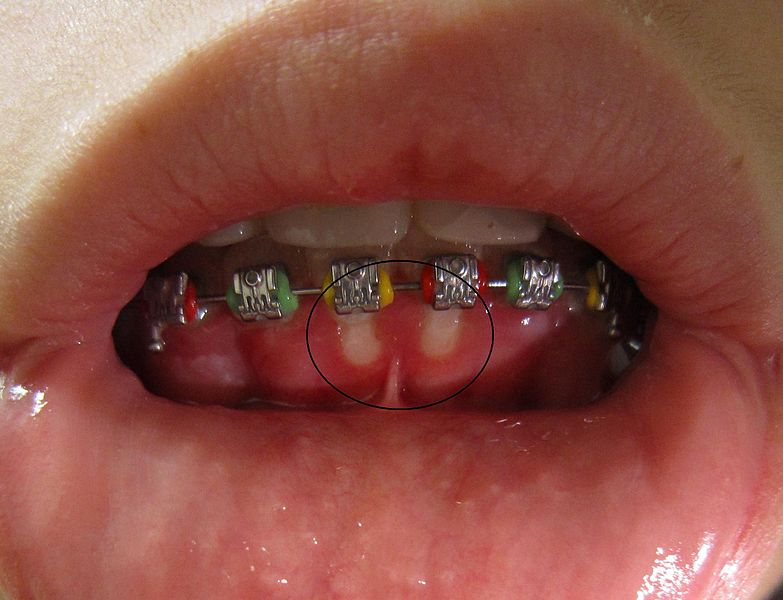
Could viscous lidocaine help children with painful mouth ulcers drink more? This 2013 journal club examines a placebo-controlled trial, discussing oral intake, the small sample and safety concerns, and separating a plausible treatment idea from evidence of meaningful benefit.
Distraction during a child’s procedure starts well before the procedure itself. Rick Body explores the child’s and parents’ perspectives, clinicians’ emotions, first impressions and preparation, showing how rapport and a personalised distraction plan fit into care in the paediatric emergency department.