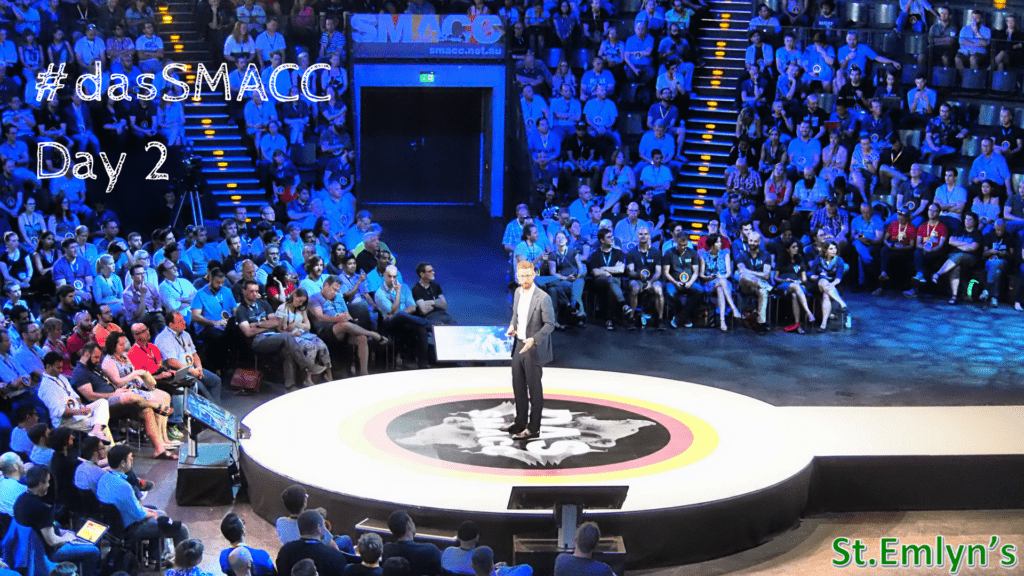
Day two of dasSMACC 2017 asks how professional tribes, team dynamics and complexity influence care. The report also covers equality, knowledge sharing and resuscitation debates, bringing together reflections on how emergency and critical-care teams work under pressure.
From prehospital simulation to end-of-life conversations, day one of dasSMACC 2017 combined clinical challenges with questions about how medicine learns. This report revisits sickle cell care, self-doubt, patient-centred outcomes and the future of scientific publishing.
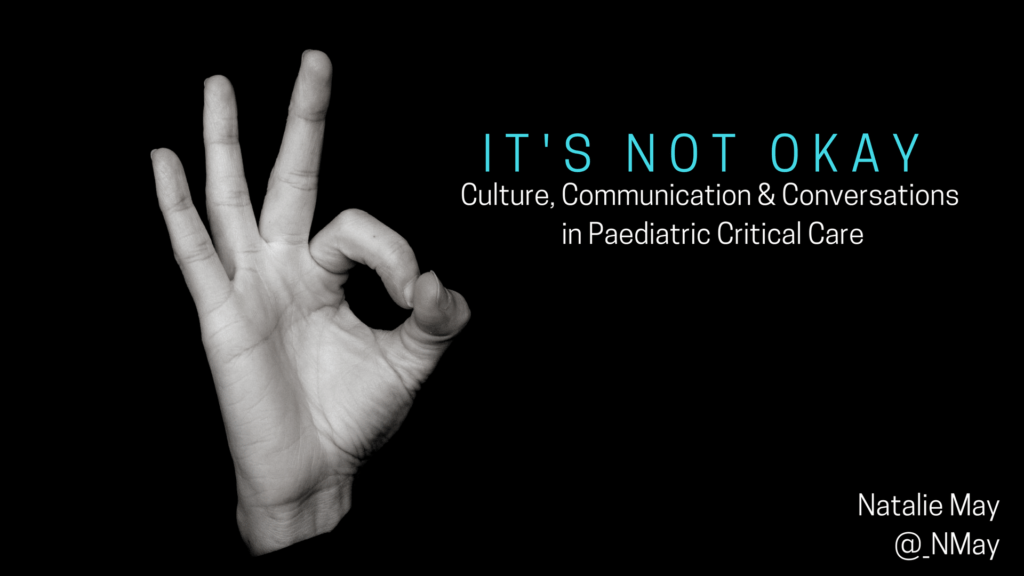
Good paediatric communication involves more than breaking bad news. This dasSMACC teaching post explores cultural assumptions, preparing children and families for procedures, and listening directly to young patients, with practical ways to make consultations more inclusive and honest.
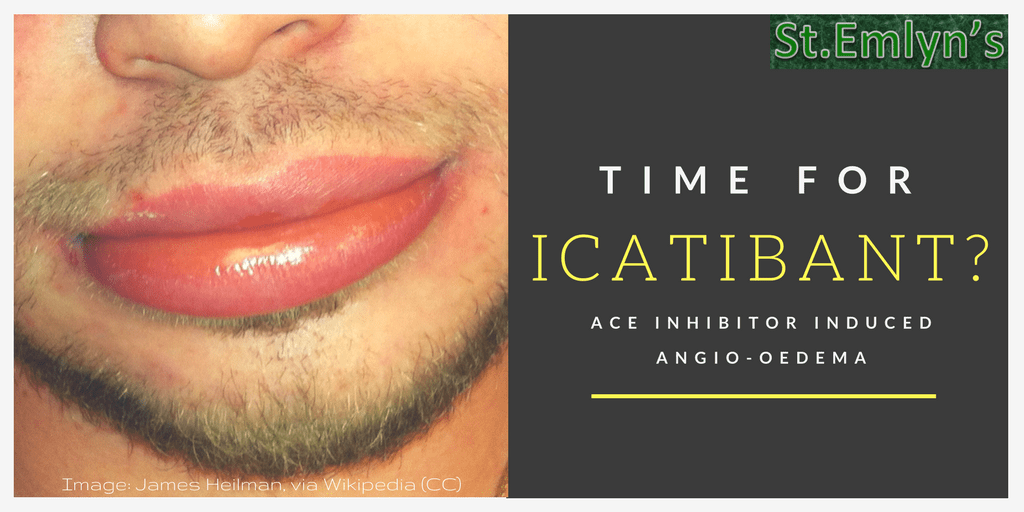
Does icatibant help ACE inhibitor-associated angioedema? This 2017 review contrasts an encouraging small trial with a larger placebo-controlled study that found no faster recovery, while explaining why its results cannot settle treatment for immediately life-threatening cases.
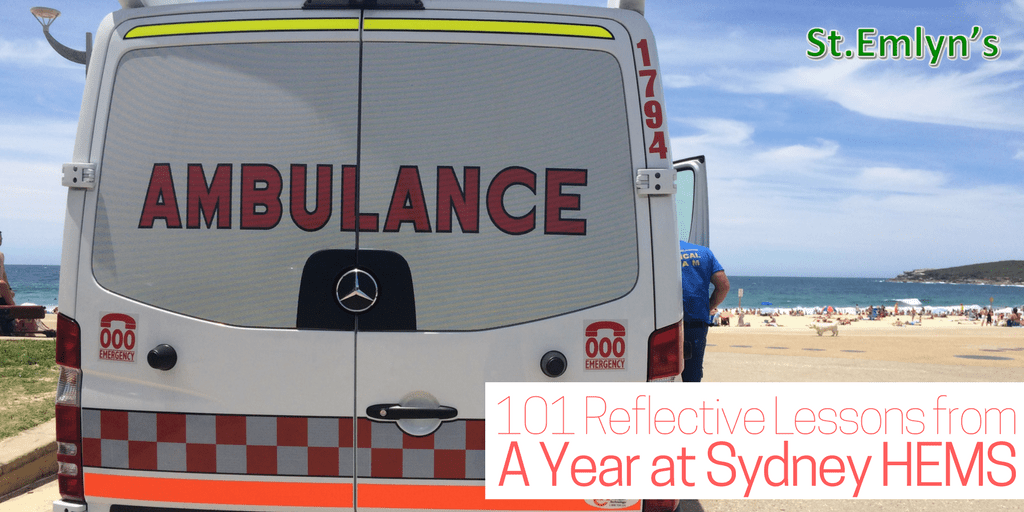
Natalie May continues her reflections on a year with Sydney HEMS, focusing on paediatric retrieval, drowning and airway care. These personal clinical lessons explore equipment, communication and the compromises involved in delivering critical care outside the hospital.
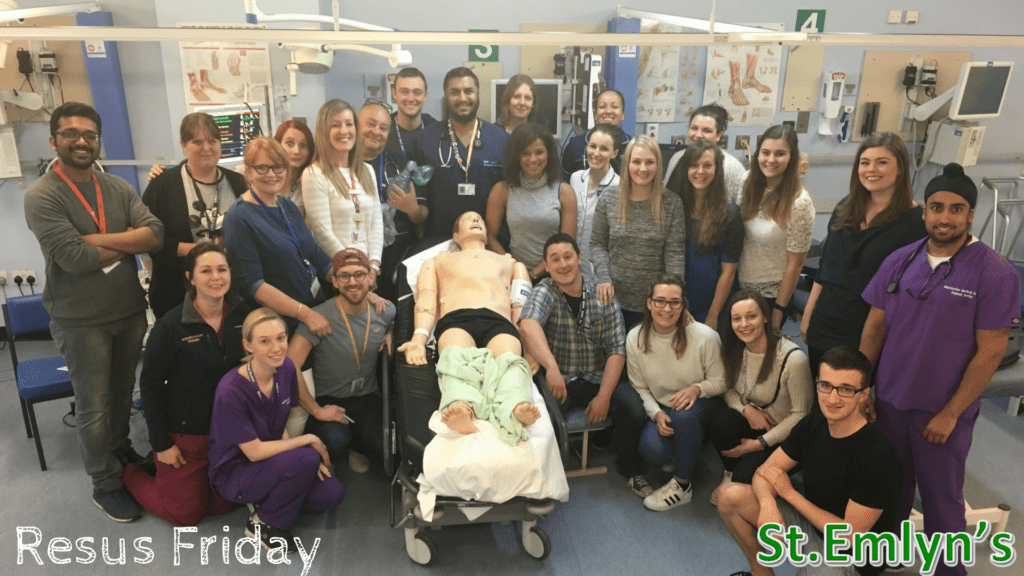
A 2017 ResusFriday session uses simulation and shared learning to examine cardiac arrest care, including team roles, reversible causes and dual-axis defibrillation. The post explains why enthusiasm for the latter needed to be tempered by the limited evidence available then.