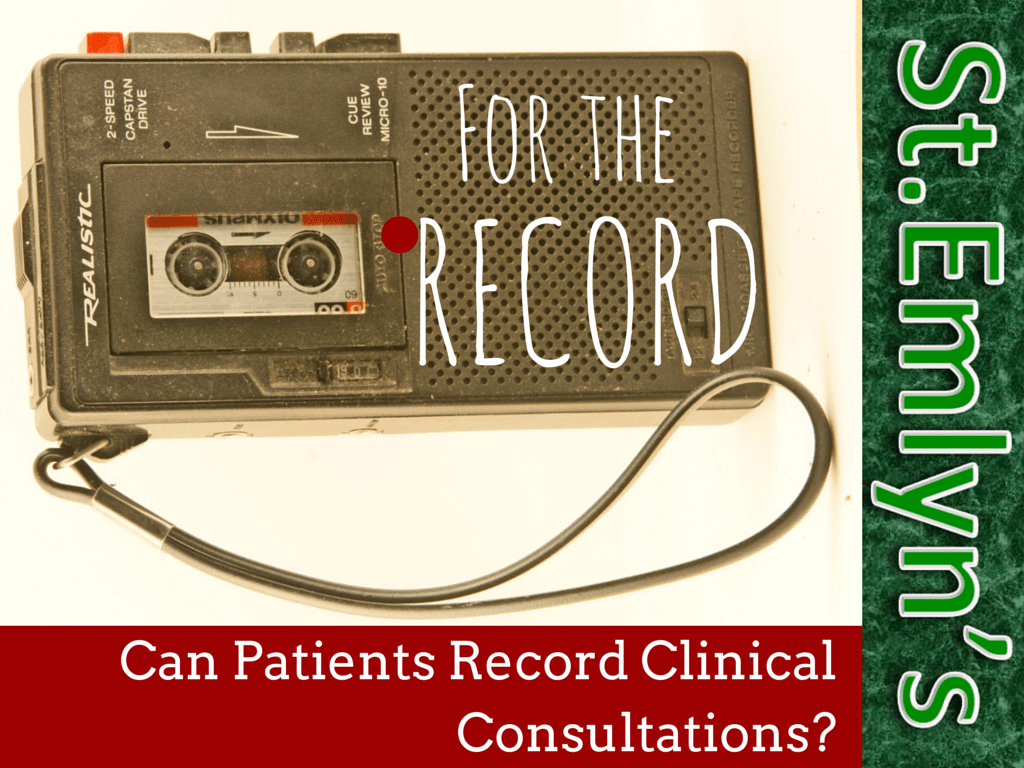
How should a clinician respond when a patient wants to record a consultation? Natalie May’s 2014 UK-focused discussion explores discomfort, trust, consent, information recall and the differences between patient-made and clinician-made recordings, drawing on the professional guidance available at the time.
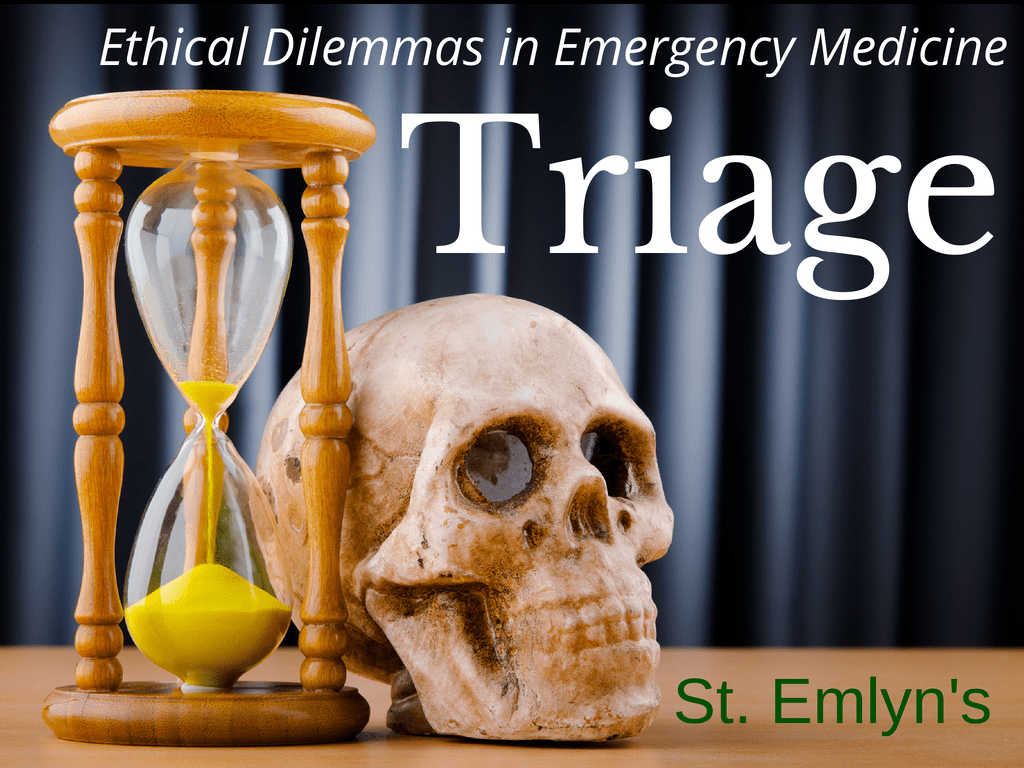
Who should be seen next when the emergency department cannot see everyone immediately? Rick Body uses hypothetical triage dilemmas to explore fairness, waiting time, clinical urgency and suffering, asking how fast-tracking, staffing decisions and performance targets affect the balance between individual patients and the wider department.
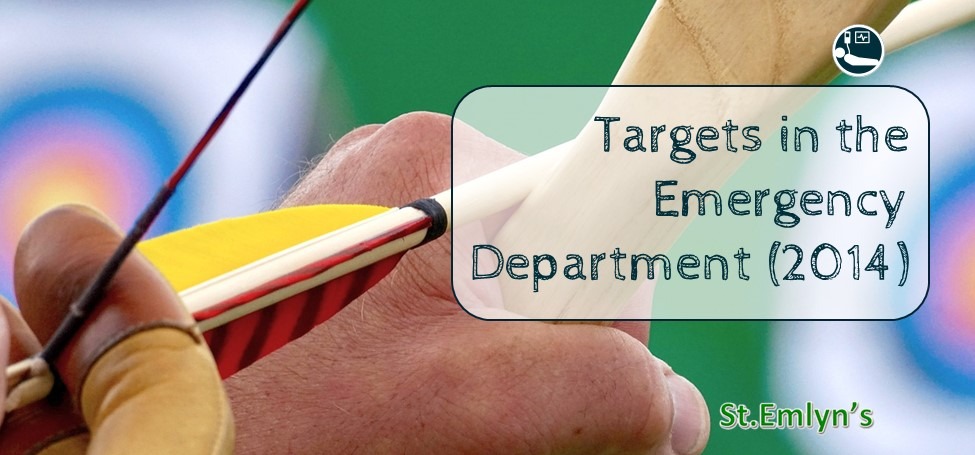
An archery metaphor opens a 2014 discussion about targets in emergency medicine. The accompanying podcast asks whether targets inevitably distort care or can be used to improve services, with reflections on short-stay medicine, departmental pressures and keeping the interests of patients and staff in view.
Do emergency department targets help patients or encourage the wrong priorities? In this 2014 podcast, Iain Beardsell and Simon Carley weigh the benefits of the four-hour standard against capacity pressures, administrative work and rushed decisions, asking how clinical leaders can use targets to improve care.
A 2014 video introduction to emergency medicine training in the East Midlands. This short post celebrates the variety of work and training opportunities in the specialty, sharing the film as an invitation to consider a career in UK emergency medicine.
After being described as intimidating, Sarah Payne reflects on the gap between how she sees herself and how colleagues perceive her. Drawing on her experiences and research on gender stereotypes, she explores the tension between warmth, competence and assertiveness for women working in emergency medicine.