When emergency-department pressures affect morale, how can colleagues make the working day more supportive? Janos Baombe shares experience-based ideas about gratitude, helping others, explaining plans and choosing words carefully. He also reflects on emotional responses to difficult cases and the value of acknowledging them within the team.
Could routine HIV testing make emergency care a stronger public-health opportunity? This 2017 discussion examines the rationale behind NICE’s 2016 guidance, including local prevalence, consent and follow-up. It considers how ED screening might reach people who do not attend sexual-health services and reduce barriers to diagnosis.
Will expanding training places secure the emergency department workforce? This response to England’s 2017 workforce plan examines recruitment, new clinical roles and protected teaching time, while arguing that consultant wellbeing and sustainable careers need much greater attention.
This 2017 introduction explains tetanus, immunisation history and the assessment of wounds in the emergency department. It also discusses recognising clinical tetanus, but explicitly flags that UK management guidance has changed and directs readers to a later update.
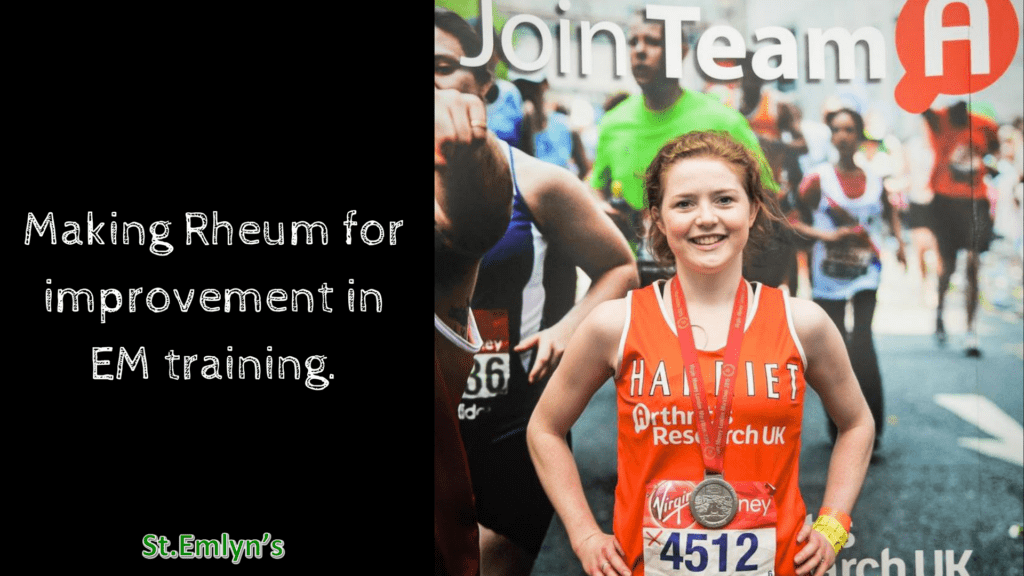
What happens when a passion for emergency medicine meets the physical limits of chronic illness? Harriet shares her experience of training with rheumatoid arthritis, exploring workplace barriers, difficult career choices and what meaningful support for colleagues might require.
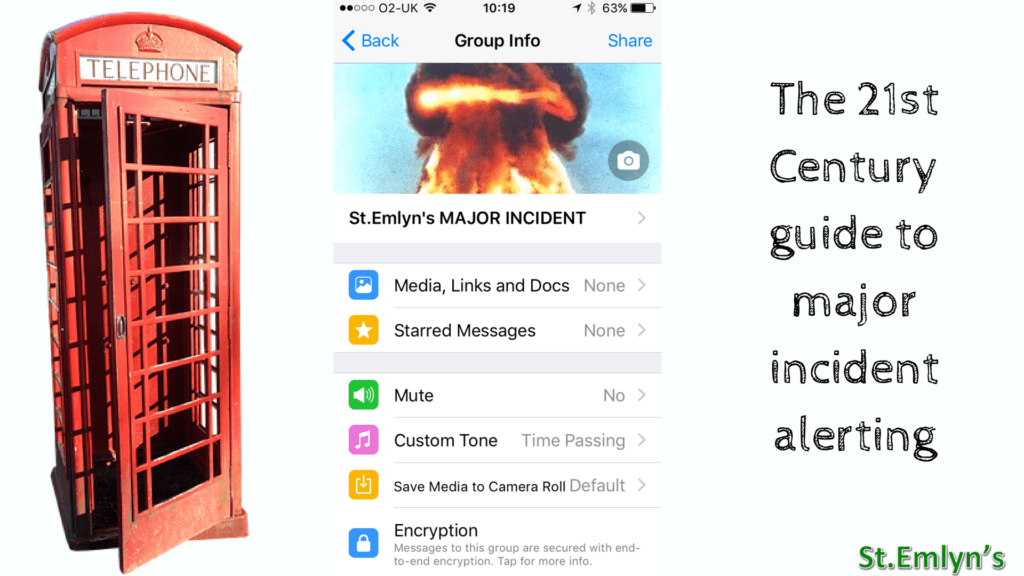
Drawing on the 2017 Manchester and London attacks, this post examines how hospitals alert and mobilise staff during a major incident. It discusses structured METHANE messages, coordinating responses and planning cover beyond the first wave, alongside the limitations of messaging groups.