
Teaching at St Emlyn’s
Educational theories for emergency medicine
We spend a lot of time teaching in the ED. How much time do we spend thinking about how we do it?
Much of that teaching happens while we’re doing something else. A student asks why we’ve ordered a test, or a colleague wants help with a procedure. We can explain what we do, but helping someone else get to grips with it takes a bit more thought. This series looks at the educational ideas that might help, with plenty of discussion about where they fall down too.
Where should I start? ↓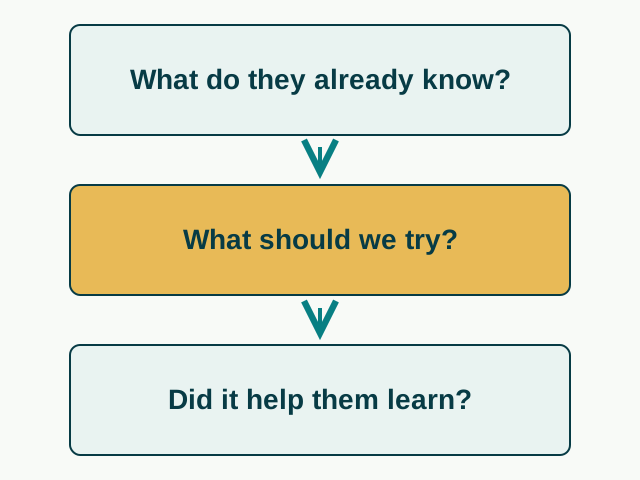
New to educational theory?
These three are worth a look
There’s no need to work through the whole list. Start here if you’re wondering why a clear explanation hasn’t helped, or why someone keeps making the same mistake despite plenty of practice.
- Cognitive loadWhy your straightforward explanation may feel anything but straightforward to the learner.
- Spacing and retrievalWhat happens after the teaching session has finished?
- Deliberate practiceHow can we help someone improve when another attempt isn’t enough?
The learner and the team
Before we blame the teaching, what’s it like to be the person trying to learn?
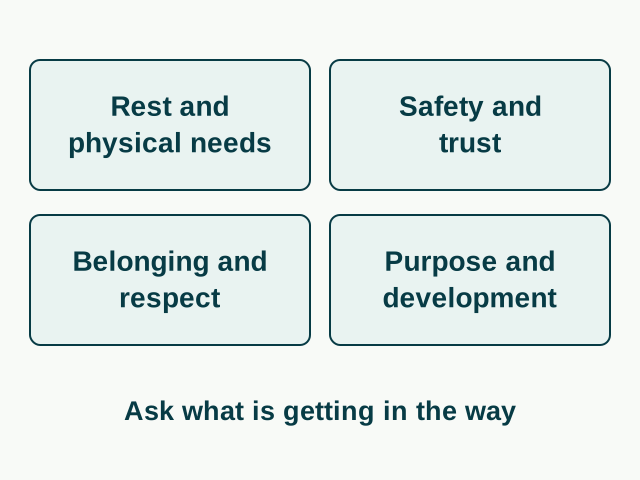
Motivation theory
Maslow's hierarchy of needs
The learner who turns up to teaching brings a great deal more than a gap in their knowledge. Maslow reminds us to pay attention to the rest.
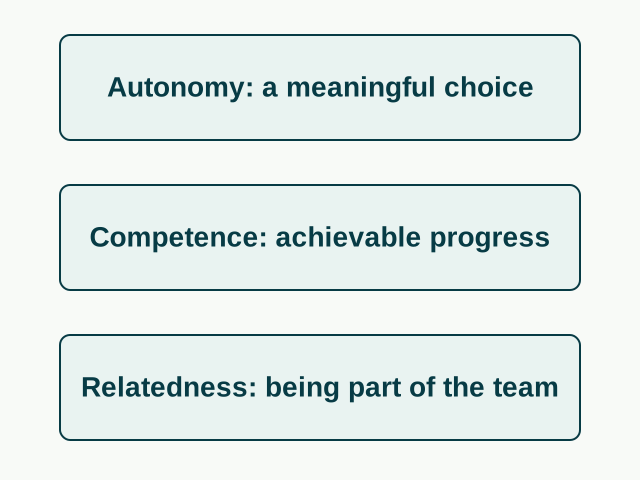
Motivation theory
Motivation and self-determination in the ED
Why do learners put the work in, and what can a supervisor do when enthusiasm is hard to find? Self-determination theory gives us somewhere to start.
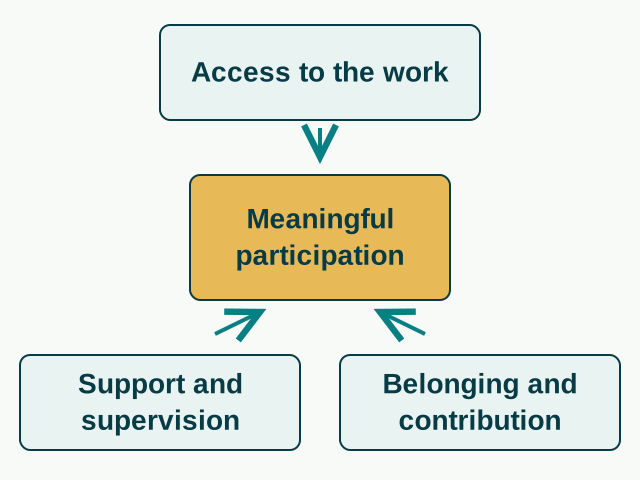
Social learning theory
Communities of practice
Much of what we learn at work happens between the teaching sessions. Lave and Wenger help us think about how people join in, learn from colleagues and become part of a group.
Learning and remembering
We’ve covered it. They seemed to understand it. Will they still know it when they need it?
Instructional design theory
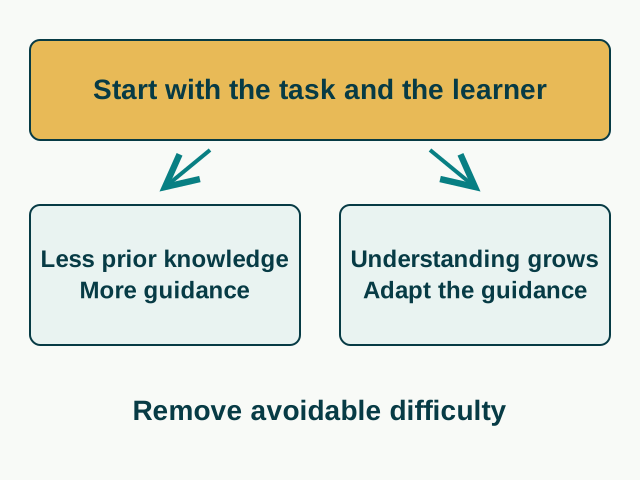
Cognitive load: why teaching can be hard to follow
What is the learner trying to think about, and what else are we asking them to do at the same time?
Cognitive theory and teaching design
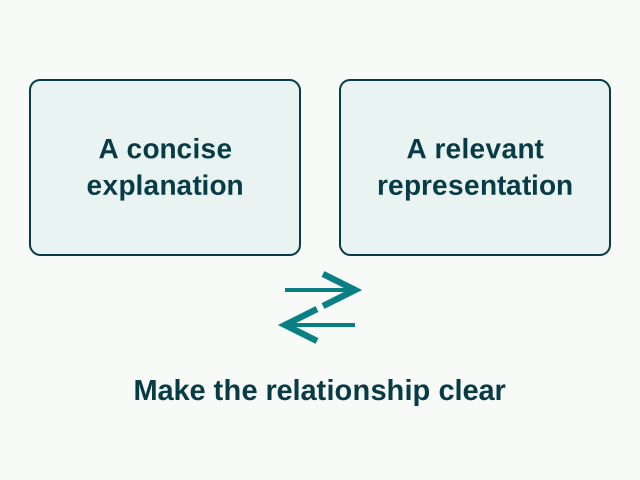
Dual coding: what is the picture doing?
A picture can explain something that is difficult to put into words. It can also leave an audience wondering why it is there.
Learning strategies
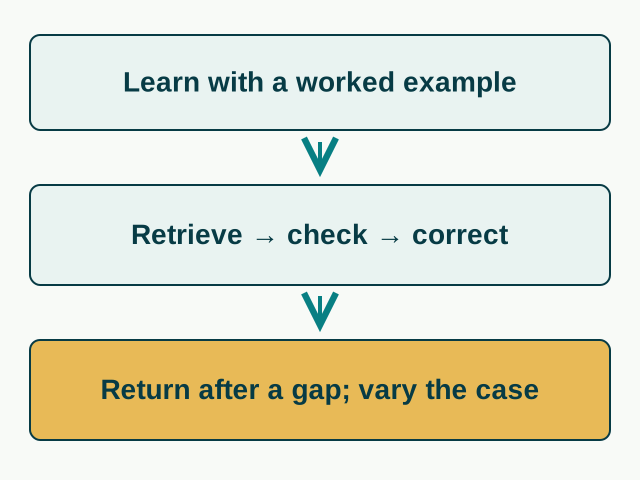
Spaced repetition: remembering what we teach
Why coming back to a topic helps, what to do when you return, and how mixing cases can make revision more demanding.
Learning through work
A busy shift gives us plenty of experience. These articles ask how we make use of it.
Family of learning theories
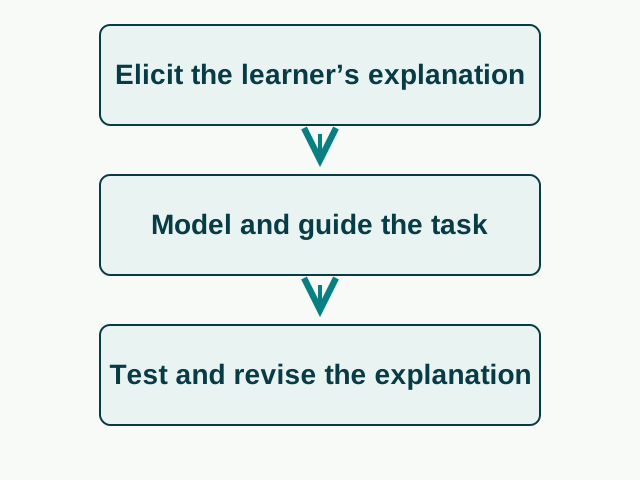
Constructivism and social constructivism
What we teach meets what the learner already believes. Constructivism helps explain why a clear explanation can still leave two people with quite different ideas.
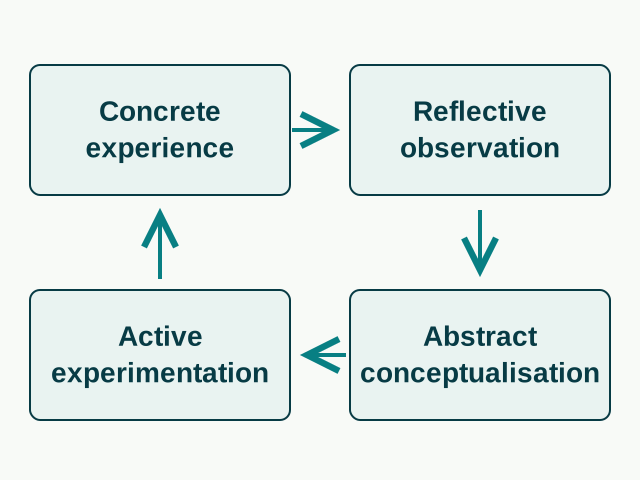
Experiential learning model
Kolb's learning cycle
Doing something again doesn't necessarily explain why it worked. Kolb's cycle gives us a way to think about the teaching that happens between attempts.
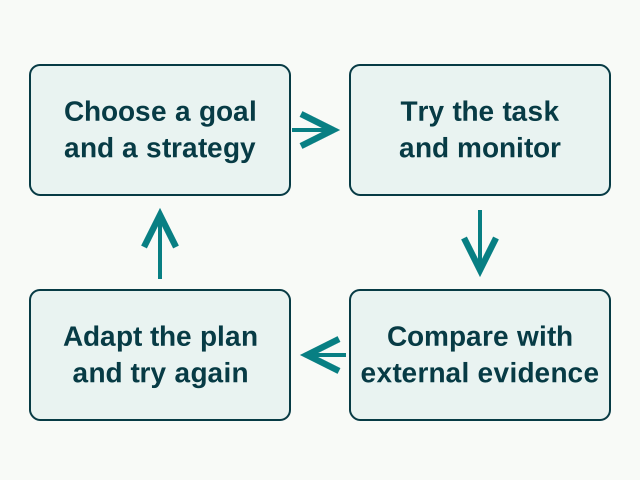
Learning framework
Self-regulated learning and metacognition
A learning plan needs more than a topic and a reading list. How do we work out what needs to change, and find out whether our efforts have helped?
Teaching and assessment
What are we asking people to learn, and does our assessment tell us whether they can do it?
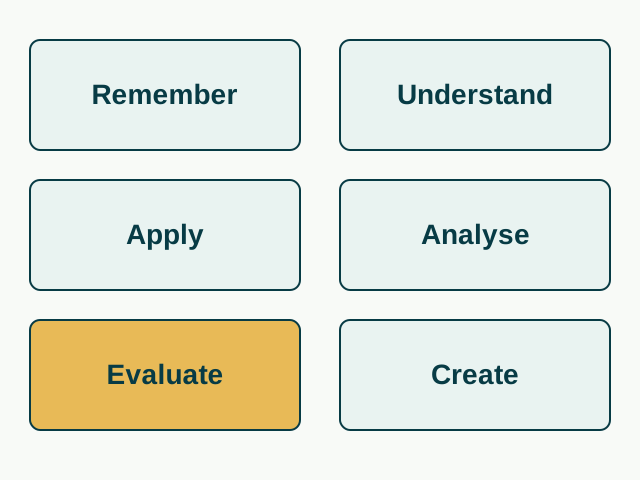
Classification framework
Getting more from Bloom’s taxonomy
What are we asking learners to do with their knowledge, and do our teaching and assessments give them a chance to do it?
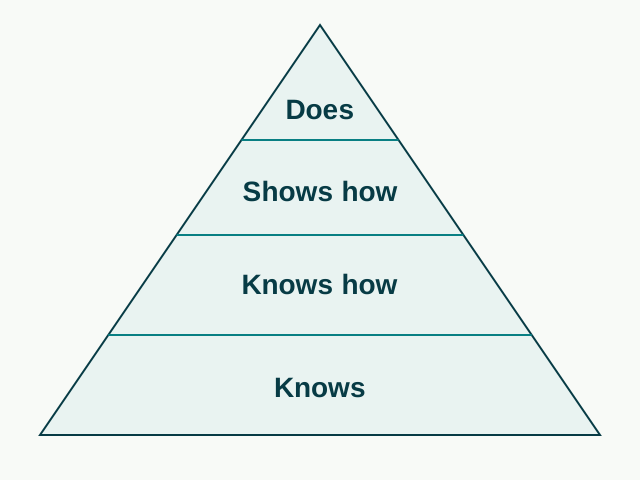
Assessment framework
Miller’s pyramid and workplace assessment
What have we actually seen a learner do? Miller helps us decide what an assessment can reasonably tell us about their clinical work.
Practice and change
For the procedure that still isn’t going well, or the teaching plan that never quite gets off the ground.
Practice and curriculum design
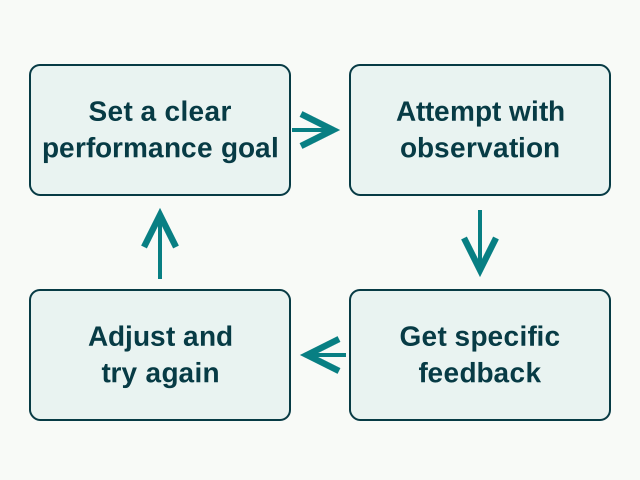
Getting better with deliberate practice
We do plenty of things repeatedly in emergency medicine. How do we make that repetition improve our work, and where does mastery learning fit?
Change framework
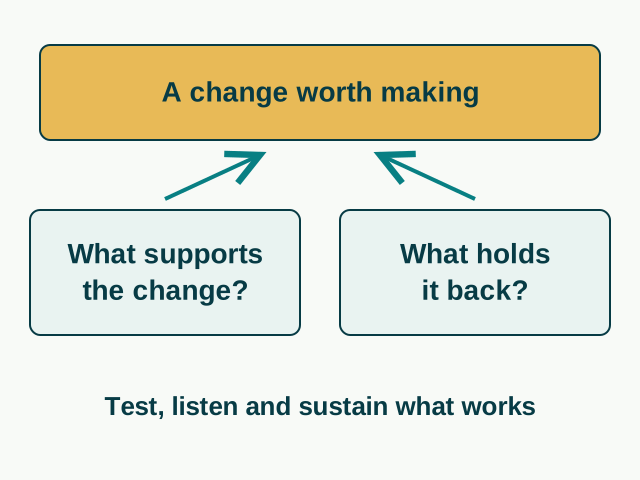
Kurt Lewin and changing practice
A teaching session can make sense to everyone and still change very little. Lewin's framework prompts us to consider what happens before and after the explanation.
Does any of this sound familiar?
If you’ve come here with a particular teaching problem, try one of these.
| What’s happening? | Try this article |
|---|---|
| They’re trying hard, but the explanation seems to be making things worse. | Cognitive load: how much are we asking them to deal with? |
| We taught this last week. Why have they forgotten it? | Spacing and retrieval: what happens between sessions. |
| The student has been here all morning but hasn’t really joined in. | Communities of practice: finding a place in the team. |
| They can do the work, but seem to have lost interest. | Motivation: why might they want to learn this? |
| They’ve passed the assessment. What does that actually tell us? | Miller: knowing about it and doing it in practice. |
| Another reflective entry, but nothing seems to change. | Kolb: working out what to do differently. |
About this collection and its original authors
Simon Carley introduced the collection on 4 November 2015 for The Teaching Course in New York. The original acknowledgements credit Mike Davies, Kate Denning and Victoria Brazil for help developing the ideas and session. Later contributions by Nick Smith brought cognitive load and dual coding into the series.
The collection was updated on 21 October 2026, with revised explanations, a fresh look at the evidence and new articles on motivation and self-regulated learning. The original credits and established URLs have been retained.