Who gets the opportunity to become an author? Part three of the equitable publishing series explores fair authorship, mentorship and sponsorship, with practical ways to support junior researchers and widen opportunities beyond the colleagues already in our immediate networks.
Applying for a clinical education fellowship? Nick Smith draws on his experience of shortlisting and interviewing to explain how to demonstrate meaningful teaching experience, match an application to the person specification and prepare a convincing interview and teaching session.
A practical starting point for students and clinicians interested in emergency care research. Thomas Shanahan, Edd Carlton and Samantha Jones discuss finding a worthwhile question, contributing to local studies, seeking mentorship, joining collaborative networks and developing critical appraisal and writing skills.
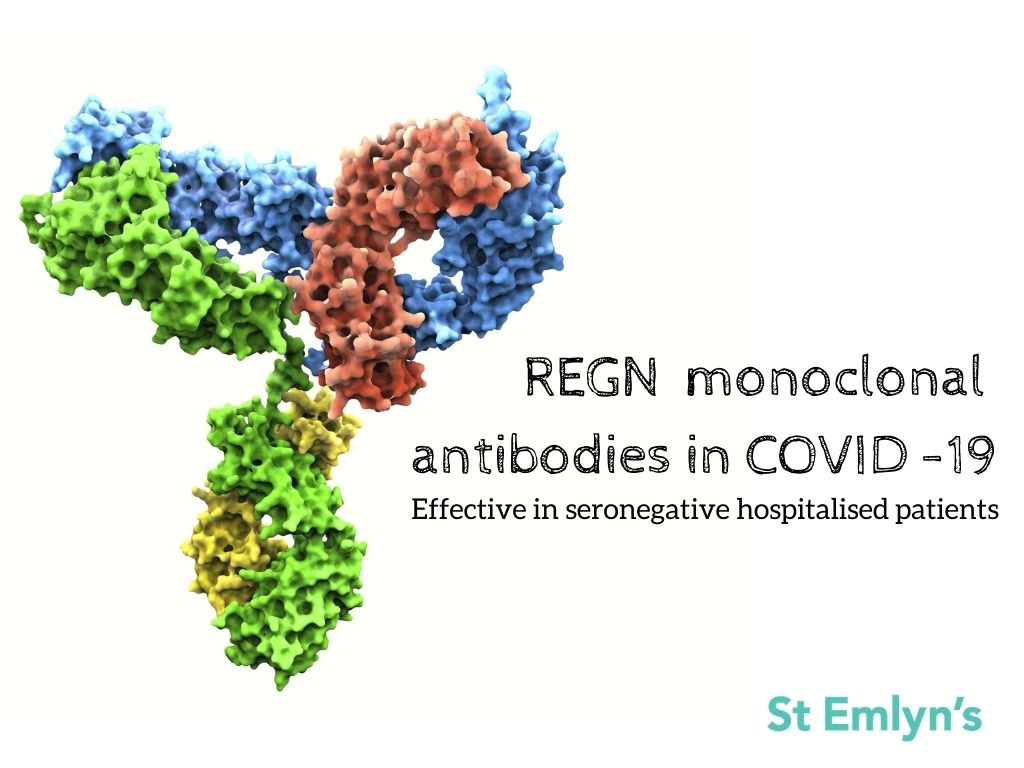
A June 2021 review of early RECOVERY results for casirivimab and imdevimab in hospitalised COVID-19 patients. It explains the reported mortality benefit in patients without detectable antibodies, why that finding did not extend to the whole trial population, and the preliminary evidence available then.
A fictional glimpse of chest pain assessment in 2050. Rick Body follows Fiona through a future of personalised risk prediction, implanted diagnostics and virtual consultation, using medical fiction to explore how technology might change both care and the experience of illness.
Rick Body introduces St Emlyn's medical fiction series: imagined future scenarios intended to stretch how we think about healthcare. The launch post explains the idea behind Med-Fi and links to the first story, exploring chest pain assessment in the future.