An imagined look back from 2038 asks how emergency medicine might recover from its current pressures. The piece explores virtual emergency departments, artificial intelligence, collaborative leadership and cultural change as parts of a possible future, rather than a record of events that have happened.
Could stellate ganglion block have a role during refractory cardiac arrest? This appraisal examines a scoping review of 32 reported cases, the rationale for the technique and why publication bias and other treatments make the apparent benefits difficult to interpret.
How do emergency responders experience moral injury? A small UK mixed-methods study explores loss of trust in others, oneself and authority. This journal club considers those different perspectives and what they might mean for organisational support beyond individual resilience.
How should we assess children with one or two positive PECARN abdominal trauma criteria? This appraisal examines a secondary analysis of the prediction rule, the different risks associated with individual findings and the continuing role of clinical judgement and repeated assessment.
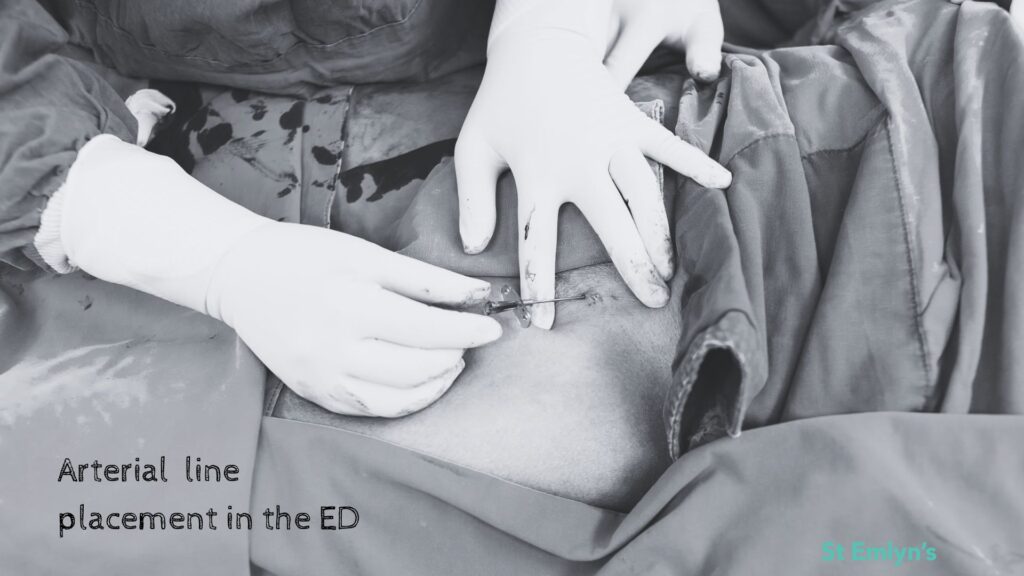
Can arterial lines be placed during cardiac arrest in the ED, and what can they tell us? This appraisal reviews one department’s experience, the selection bias in its small intervention group and why feasibility does not establish better patient outcomes.
In this emergency medicine toxicology blog, Gregory Yates takes us through a few recent papers on nitazenes, a group of (potent) synthetic opioids with high overdose potential.