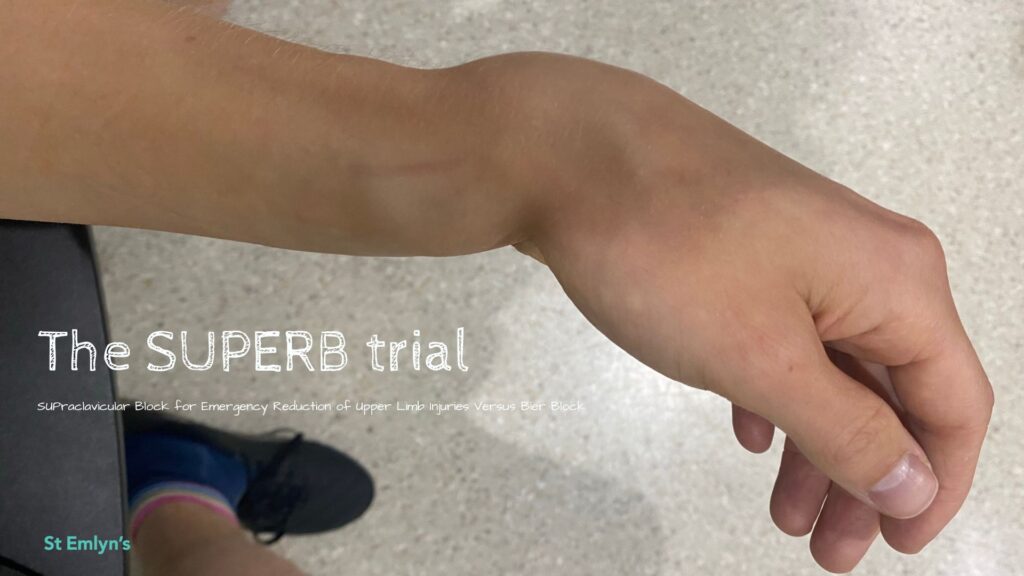
The SUPERB trial compared ultrasound-guided supraclavicular block with Bier block for distal forearm fracture reduction in the ED. We examine its pain outcomes, the potential for longer analgesia and the training and safety questions involved in extending this technique to emergency practice.
Three research reviews explore goal-directed chest compressions, ventilation during cardiac arrest and cerebral oximetry. Greg Yates considers what animal and human studies contribute to physiologically guided resuscitation, and where further evidence is needed.
A retrospective review of 600 patients treated for suspected sepsis in US emergency departments raises questions about antibiotic overtreatment. We examine the study’s use of hindsight, possible treatment-related harms and how its findings translate to UK practice.
The EVIDENCE trial asked if rapid transport with ongoing CPR improves survival in refractory out-of-hospital cardiac arrest. Results: no clear benefit over on-scene resuscitation.
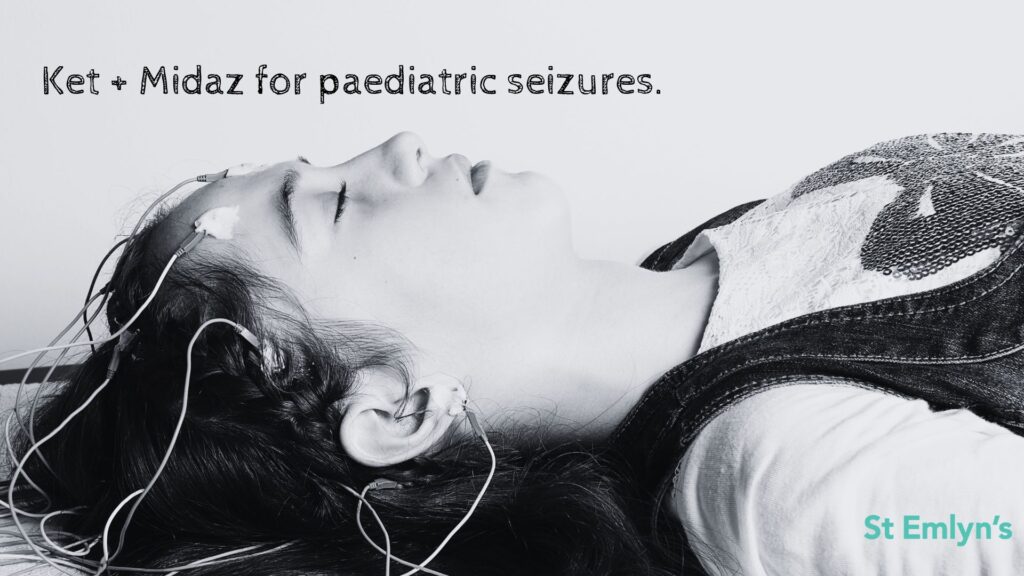
The Ket-Mid trial tested adding ketamine to midazolam for initial treatment of paediatric convulsive status epilepticus. We review its seizure-control findings and explain why the single-centre setting, delayed treatment and differences from UK practice make the author cautious about changing care.
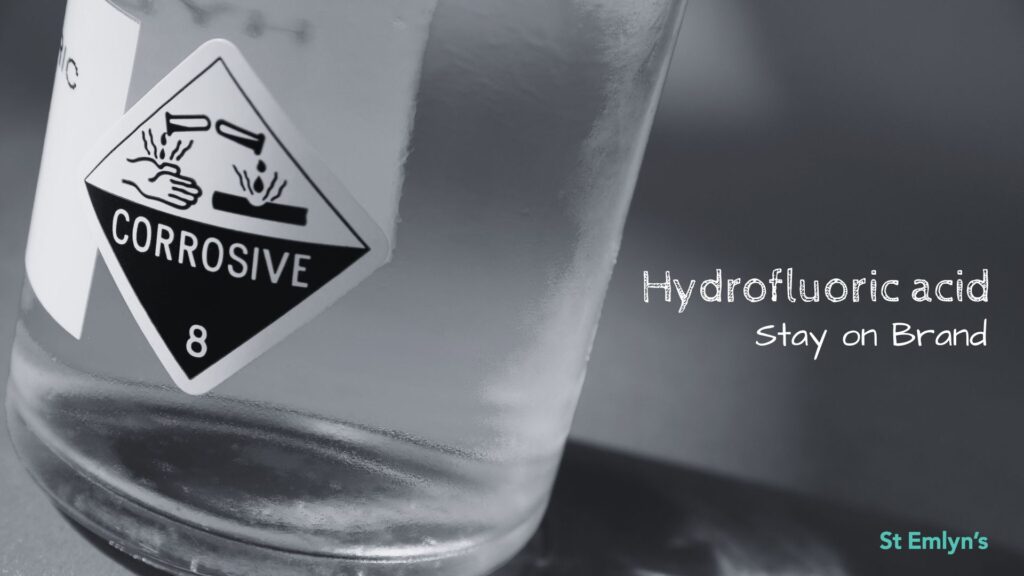
Can bedside mixtures provide a reliable calcium gel for hydrofluoric acid burns? Greg Yates reviews a laboratory study of viscosity and calcium concentration, and considers what its findings mean for stocking commercial antidote supplies in emergency departments.