Ambition, setbacks and fatigue can all affect a career in emergency medicine. This reflection explores realistic training goals, fear of failure, the move to consultant practice and life outside work, with attention to colleagues both within and outside formal training programmes.
How do we include children when someone they love is critically ill or dying? These notes accompany a conversation with Liz Crowe about clear explanations, addressing fears and self-blame, preparing children for the bedside and supporting families through difficult conversations.
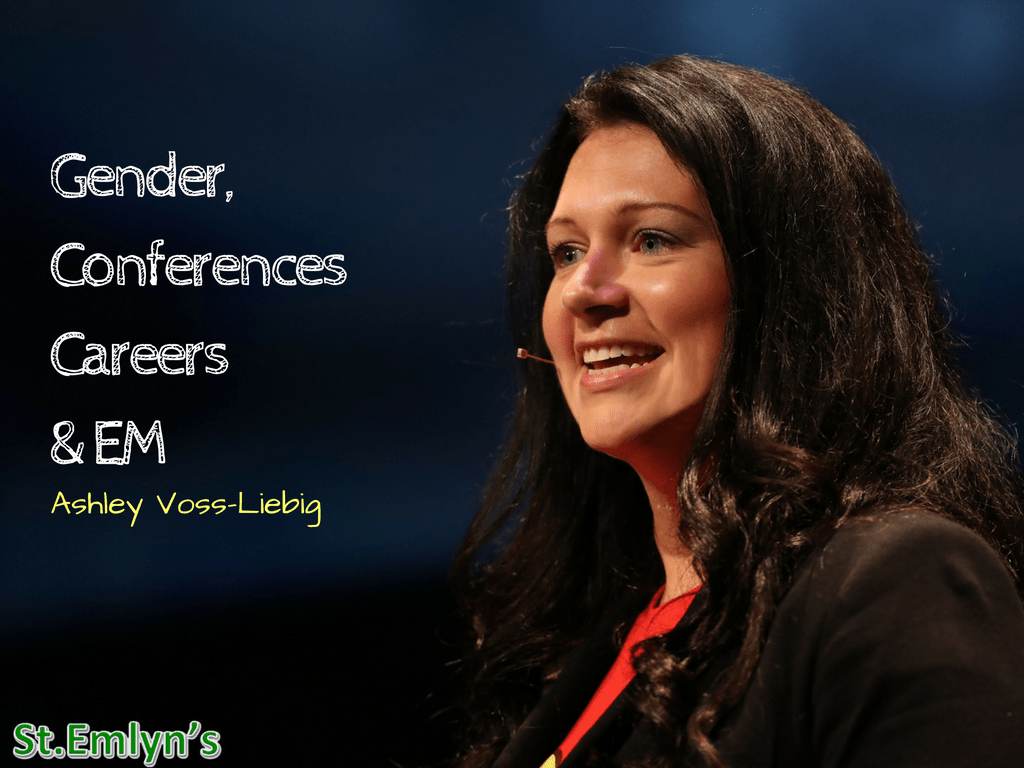
Ashley Voss-Liebig reflects on how research into conference speakers challenged her assumptions about women’s participation in emergency medicine. This 2016 commentary moves beyond speaker numbers to ask how mentoring, visible role models and removing barriers might support women’s careers in the specialty.
What makes emergency medicine trainees feel valued and supported? Reflecting on conversations with trainees in 2016, this post argues for meaningful feedback, supervisors who understand the curriculum, accessible consultant support and fairer rotas as investments in the specialty’s future.
Better communication begins with understanding how others experience us. Drawing on the SMACC communication workshop, this post and accompanying podcast explore listening, signposting, silence, manageable chunks of information and responding compassionately when people struggle to absorb difficult news.
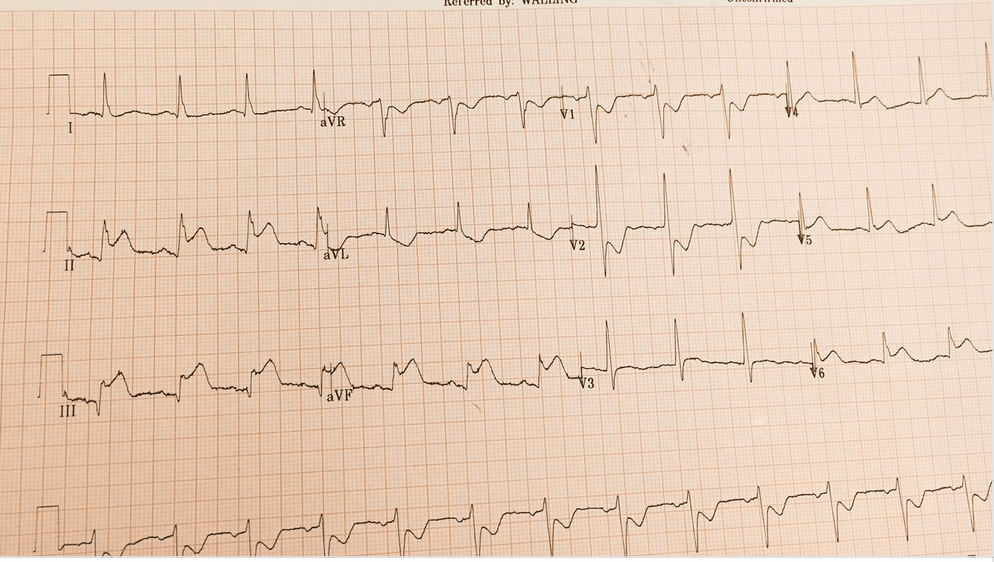
When an emergency physician becomes a patient, familiar clinical encounters can take on a different meaning. This 2016 reflection on Rob Rogers’ publicly shared heart-attack experience considers wellbeing, the patient’s perspective and the lasting value of investing in other clinicians’ education.