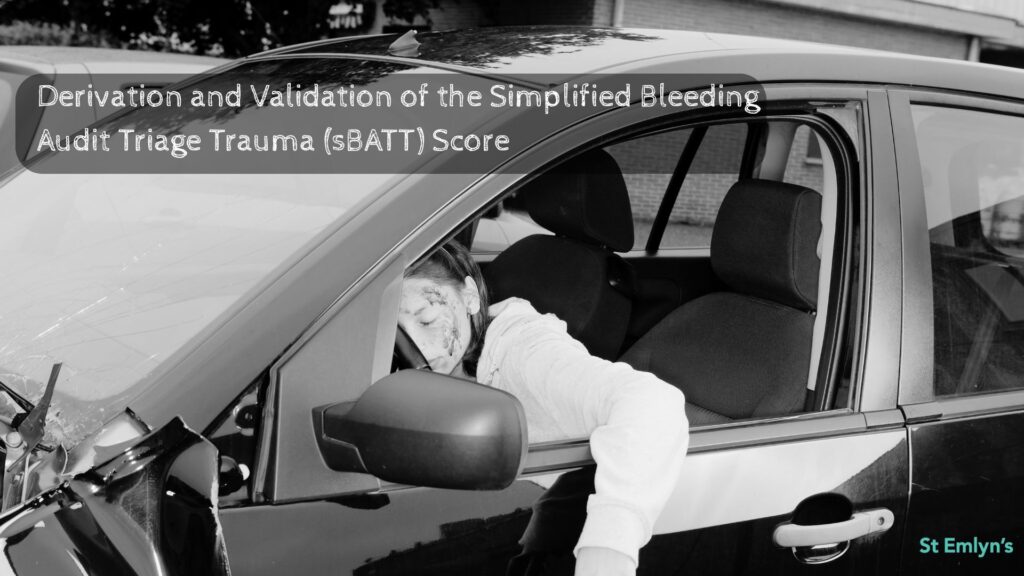
Can a trauma triage score work without monitoring equipment? We review the derivation and validation of sBATT using UK registry data, including how its observable signs predict early mortality and what remains uncertain about use by lay responders or in other settings.
Iain and Simon review the February 2025 posts, from maintaining rarely used procedural skills to diastolic pressure during resuscitation. They also discuss resuscitative hysterotomy and the updated guidance on diagnosing death.
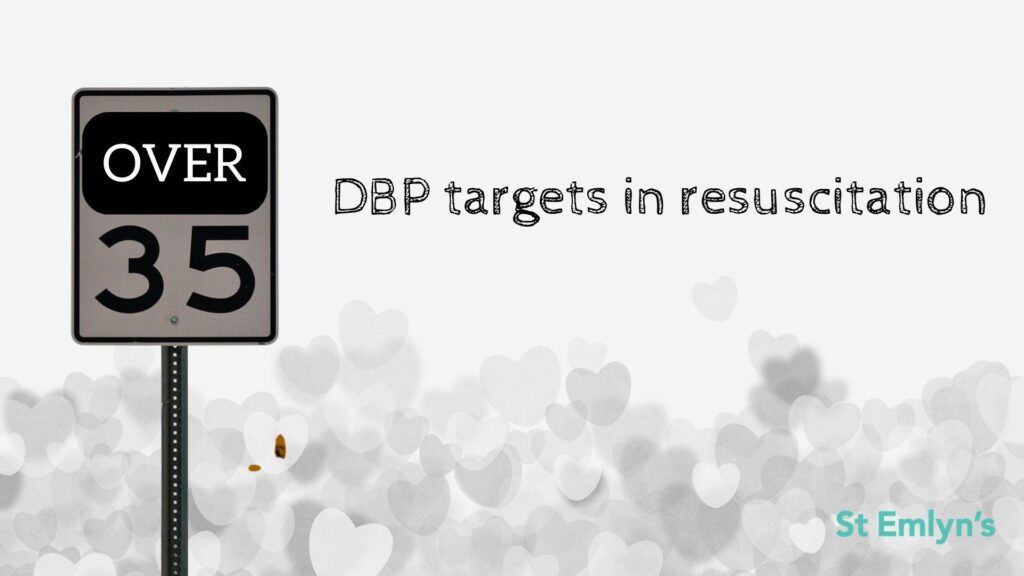
Should trauma resuscitation pay more attention to diastolic blood pressure? Simon Carley discusses a physiological argument for rethinking systolic targets, its links with cardiac-arrest research and the evidence still needed before clear diastolic targets can be established.
Season 11 closes with a review of December 2024’s posts. The podcast covers early exercise after chest trauma, intraosseous access, paediatric imaging, artificial intelligence, toxic alcohol poisoning and airway management.
This second collection of research from The Big Sick 2025 brings together brief appraisals of trials covering transfusion in brain injury, preoxygenation, sepsis care and out-of-hospital cardiac arrest. The post considers what the findings might mean for practice and where uncertainty remains.
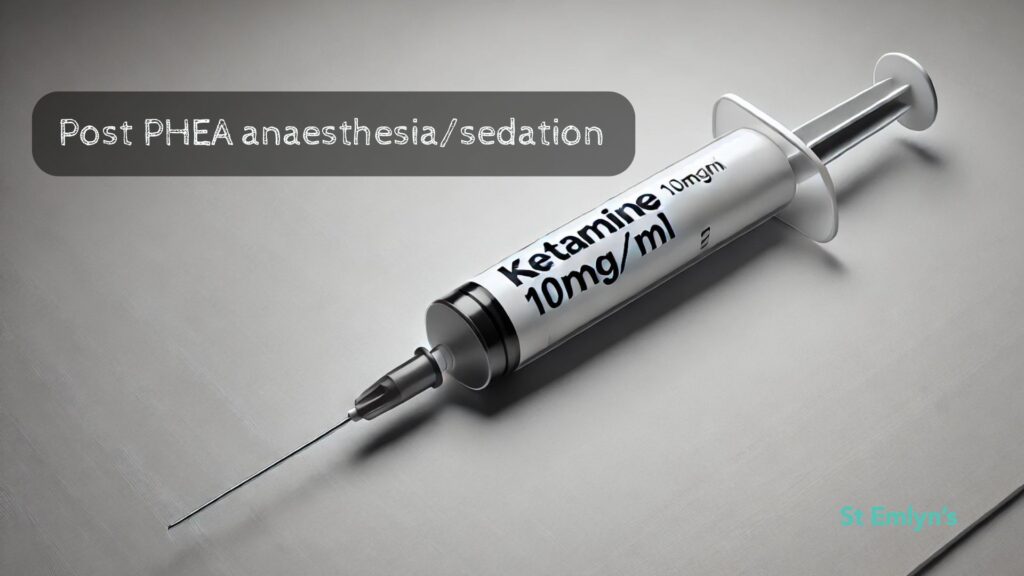
How is anaesthesia maintained after prehospital intubation for trauma? A survey of services in Australia, New Zealand and the UK explores differences in sedation, analgesia and governance. This appraisal considers what self-reported practice can tell us, and why patient outcome data are still needed.