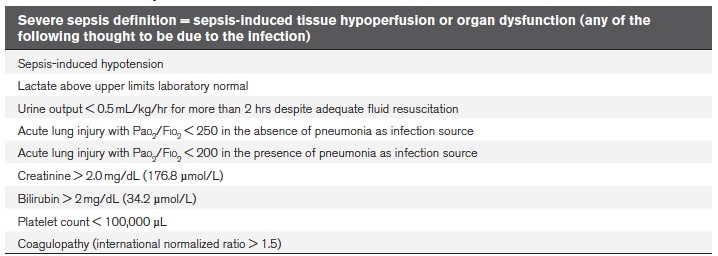
Simon Carley offers an early emergency department response to the Surviving Sepsis guidance discussed in 2013. He highlights its resuscitation targets, antibiotic priorities and three- and six-hour bundles, while questioning how closely the recommendations reflected evolving practice at the time.
Does combining antibiotics improve survival in severe sepsis? This 2012 journal club scrutinises an observational analysis from EduSepsis, exploring differences between treatment groups, confounding and why a reported mortality association does not establish that combination therapy caused the benefit.
Should cooling begin during cardiac arrest rather than after circulation returns? This 2012 discussion explores the rationale for intra-arrest hypothermia, the limited human and animal evidence then available, and the author's argument for trying an earlier approach despite that uncertainty.
Does reaching hypothermia sooner after cardiac arrest improve outcomes? This 2012 journal club examines an observational study of cooling times, using its results to explain relative risk, absolute risk and number needed to treat while questioning whether confounding could explain the apparent benefit of later cooling.
Can case conferences help teams learn without becoming an exercise in blame? Rick Body uses a hypothetical asthma emergency to explore constructive reflection, fair feedback and the importance of recognising good care alongside opportunities to improve.
What can the capnography trace tell a resuscitation team beyond airway position? This 2012 reflection explores its use in assessing compressions, recognising possible return of circulation and informing difficult decisions, while emphasising the limitations of interpreting end-tidal carbon dioxide in isolation.