Does more severe chest pain make a heart attack more likely? Rick Body describes a 2014 study of emergency department patients, showing the difference between a statistically significant association and a useful diagnostic test, and why mild discomfort alone cannot provide reassurance about the underlying cause.
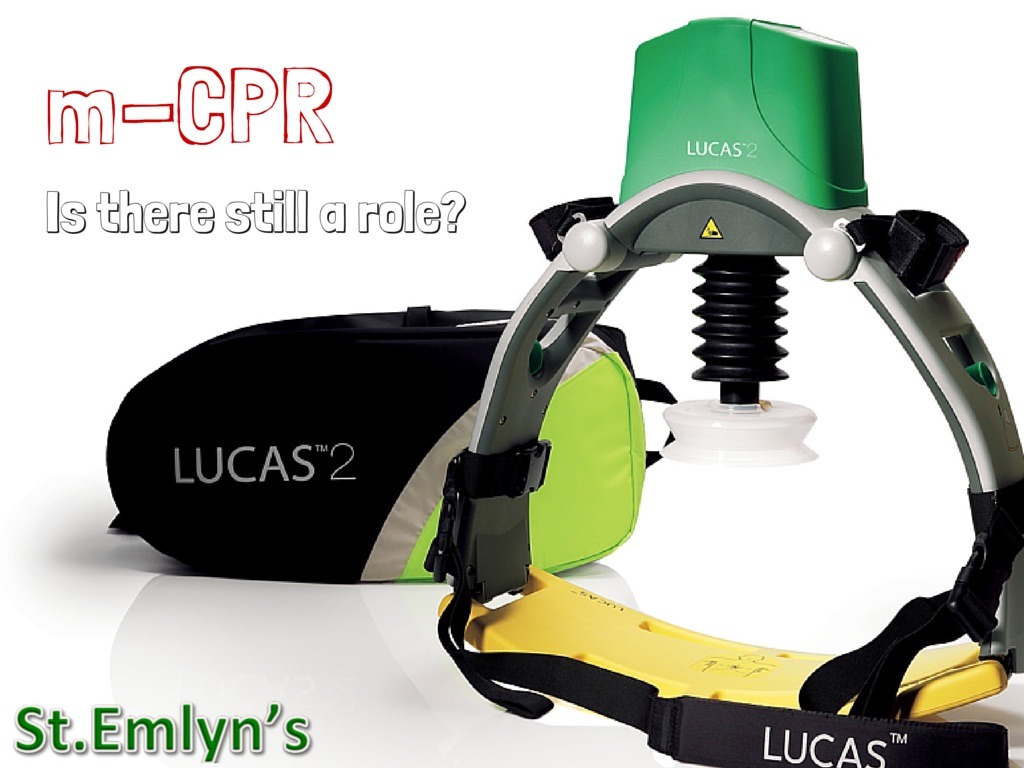
This 2014 journal club examines the PARAMEDIC trial of mechanical versus manual CPR in out-of-hospital cardiac arrest. Alongside the cluster-randomised design and survival findings, Simon Carley reflects on separating life support from treatment of the underlying cause and how resuscitation teams divide their attention.
Does cooling during cardiac arrest improve outcomes, or simply lower temperature? This 2014 appraisal examines a small randomised trial of intra-arrest hypothermia, questioning patient selection, statistical power and surrogate outcomes, while separating the cooling headlines around London’s ‘cool car’ from its broader package of advanced resuscitation care.
Rick Body examines NICE’s 2014 recommendations on high-sensitivity troponin testing for early exclusion of NSTEMI. The article and podcast explain the guidance’s limited assay-specific scope, the distinction between excluding infarction and deciding on discharge, and the practical challenge of fitting repeat testing into emergency department workflows.
A critical response to NICE’s 2014 acute heart failure guidance, questioning whether varied presentations can be treated as one condition. The author examines the evidence behind diuretics, nitrates and non-invasive ventilation, and argues for clearer definitions and research that better reflects the sickest emergency department patients.
Rick Body introduces his SMACC Gold 2014 talk, ‘The Heart Under Stress’, on using history, examination and troponin testing when assessing possible acute coronary syndrome. The accompanying post also reflects on turning research into an engaging conference presentation, with storytelling and humour alongside the clinical discussion.