Should selected cardiac arrest patients bypass their nearest hospital for a specialist centre? This 2017 review examines a London pilot trial, explaining its narrow patient group and why demonstrating feasibility is different from establishing an improvement in survival.
Does cardiac activity on ultrasound predict survival after cardiac arrest, and does scanning itself improve outcomes? This 2016 appraisal of REASON examines those different questions, the study’s potential biases and why absent activity should not be treated as a definitive prognosis.
Can a single very low high-sensitivity troponin T result, combined with a non-ischaemic ECG, rule out myocardial infarction? Rick Body discusses a 2016 TRAPID-AMI analysis, its promising diagnostic performance and why excluding infarction does not automatically make discharge appropriate.
When an emergency physician becomes a patient, familiar clinical encounters can take on a different meaning. This 2016 reflection on Rob Rogers’ publicly shared heart-attack experience considers wellbeing, the patient’s perspective and the lasting value of investing in other clinicians’ education.
Could erythropoietin protect the brain after out-of-hospital cardiac arrest? This 2016 appraisal examines a French randomised trial that found no neurological or survival advantage and more adverse events, including thromboembolism, highlighting the gap between biological promise and demonstrated patient benefit.
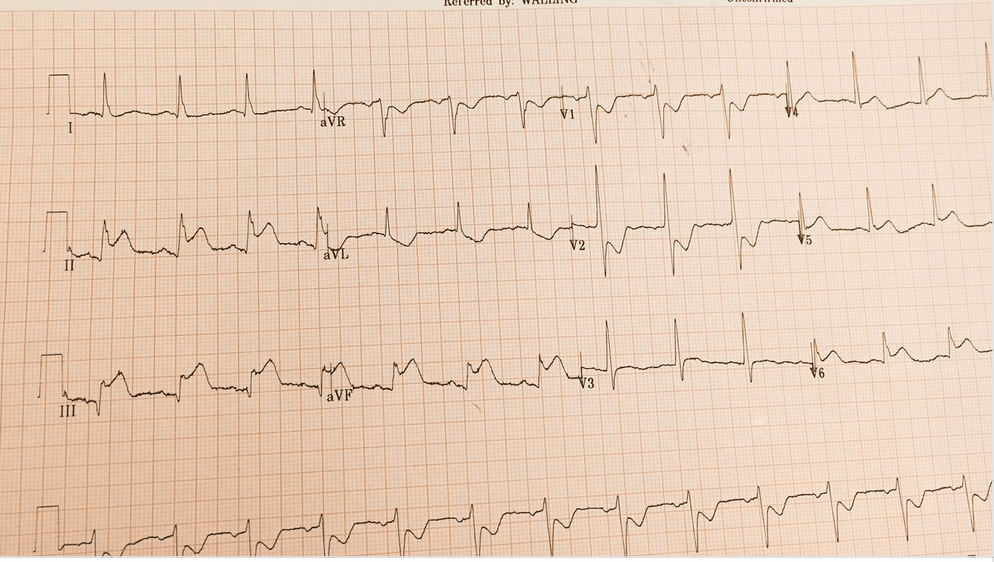
A patient’s chest pain has resolved and the emergency department ECG looks relatively reassuring. This teaching case asks what information might still be missing, using the contrast with an earlier ambulance tracing to explore dynamic ECG changes and the importance of clinical detective work.